
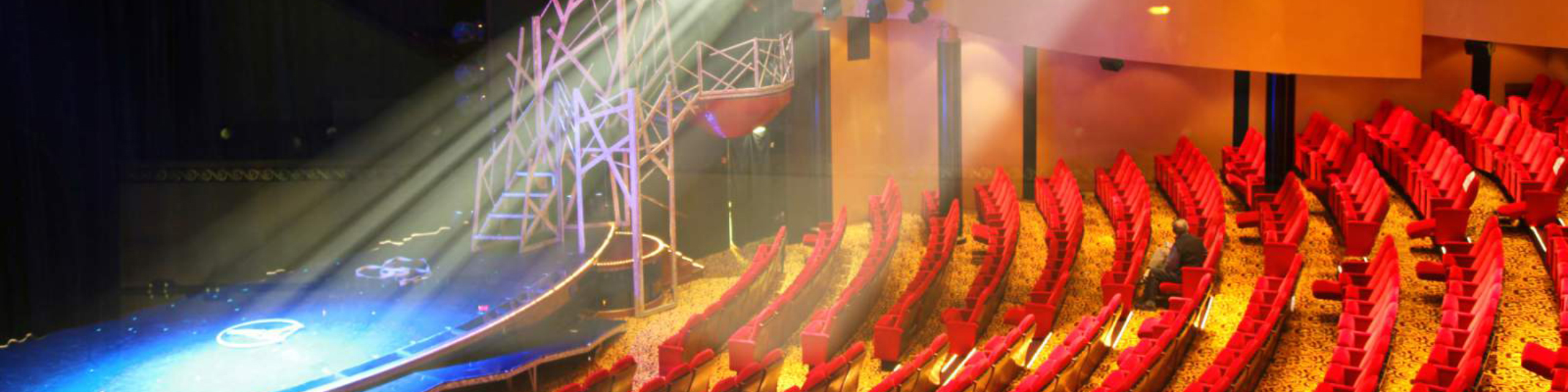

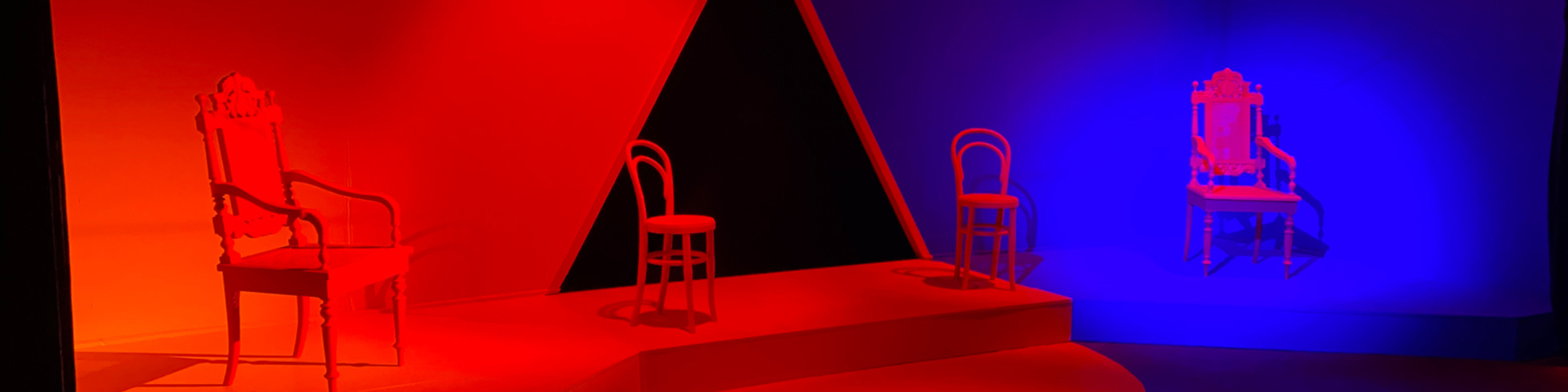


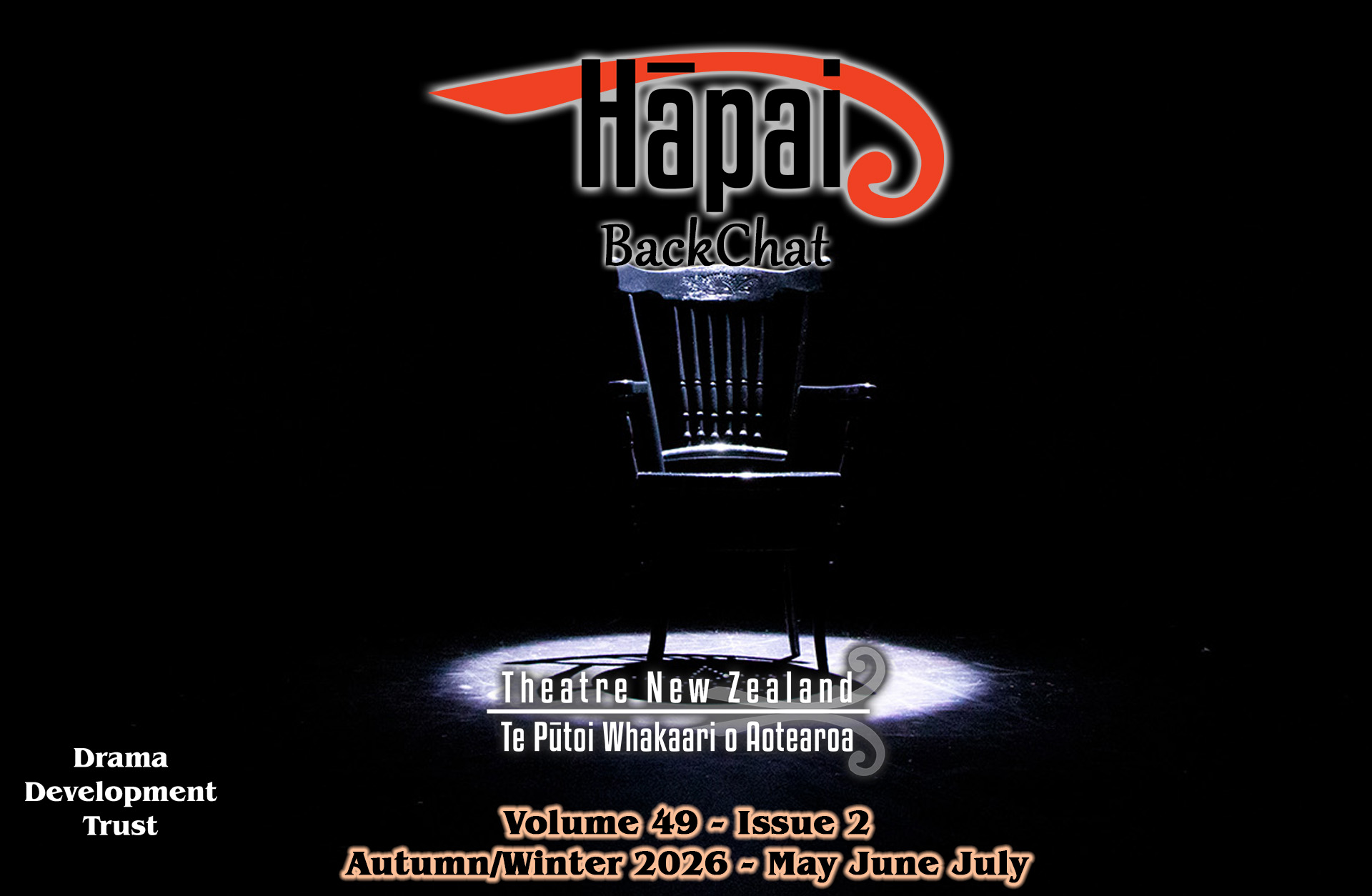
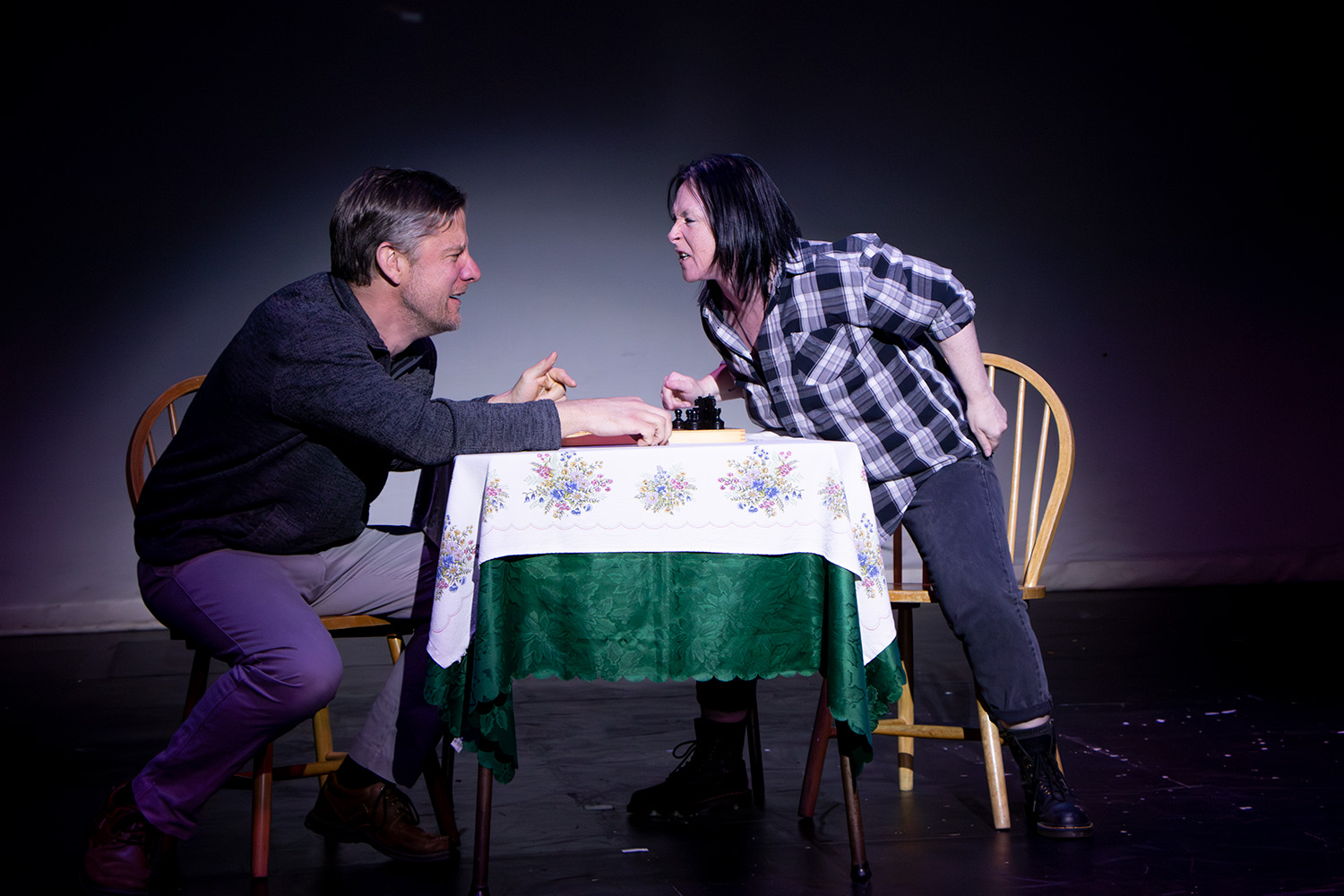
 The title image of this edition is from the 2025 ShowCase:
Napier Repertory Players - Two Women and a Chair, photo courtesy of Mark Perry
Table of ContentsClick on any entry to jump |
President's Message |
 |
President’s Message
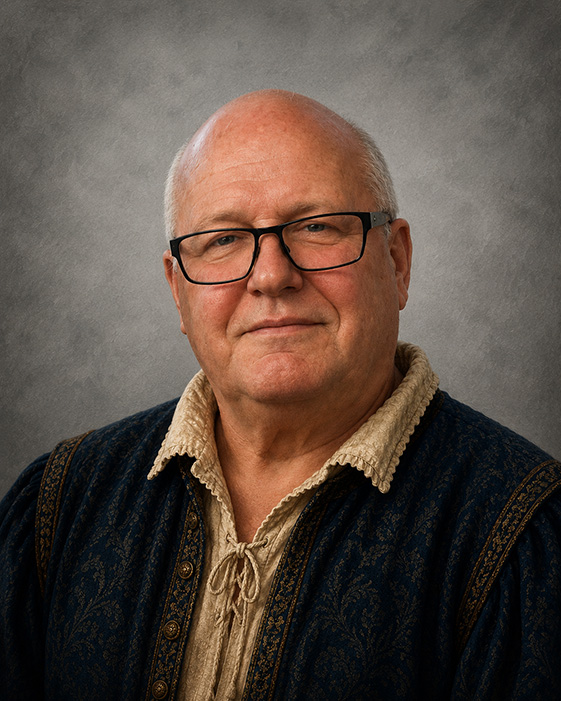
As President of Theatre New Zealand, I believe it is important to challenge the notion that theatre societies should aspire to own their own venues as a universal goal. Ownership can offer stability, autonomy, and a strong sense of place, and where there is genuine community backing through financial, practical, and civic support, it should be encouraged. Community owned theatres can be powerful cultural anchors. However, ownership is not a one-size-fits-all solution. For many smaller societies, it introduces significant financial and operational burdens that can threaten long-term sustainability. Without meaningful community and local authority support, ownership can shift focus away from creative practice and place undue strain on volunteer-led organisations. Across Aotearoa, there are numerous examples of theatres and community groups thriving both with and without ownership. Success comes not from property, but from support through partnerships, shared spaces, and adaptable models that prioritise access, creativity, and community engagement. The real issue is structural. Community and youth theatre operate at a significant scale and impact across the country, yet it remains largely unsupported by a coherent national framework. Activity is sustained through volunteer effort, fragmented regional provision, and inconsistent access to funding. At the same time, the arts funding environment is tightening. Community theatre, despite being one of the most widely participated in forms of arts practice in Aotearoa, remains underrepresented within national funding systems, including Creative New Zealand. Current frameworks continue to prioritise professional and project-based models, leaving a substantial portion of the sector without access to appropriate, sustained support. This is not simply an oversight. It is a policy gap. This structural gap is also reflected in the practical realities of access to funding. Theatre New Zealand has, in recent years, made multiple applications to develop national training pathways for community theatre practitioners and volunteers, without success. These outcomes are not simply a matter of individual applications, but highlight a broader misalignment within current funding settings. Community-based funding streams are often structured around local delivery, while national-level support is typically directed toward professional practice. As a national organisation representing community theatre, Theatre New Zealand sits between these categories and does not fit comfortably within either. The result is that initiatives designed to build capability, training, and long-term sustainability at a national level struggle to find an appropriate funding pathway. Community and youth theatre are foundational to the cultural ecosystem. They are where participation begins, where skills are developed, and where communities connect. They support rangatahi, foster leadership, and sustain local identity, particularly in regional and rural Aotearoa. They also play a critical and often overlooked role in audience development. For many New Zealanders, community theatre is their first experience of live performance, whether as participants or as audiences. It builds the habit of attendance, demystifies theatre, and creates lifelong engagement with the art form. Sector estimates suggest that community theatre delivers between 5,000 and 8,000 performances annually, reaching audiences of up to one million people across Aotearoa. This is comparable to, and in many regions exceeds, the reach of the professional sector. A strong and growing community theatre sector does not compete with the professional sector. It feeds it. It grows informed, confident audiences who are more likely to attend, support, and invest in professional work over time. If we are serious about growing the professional theatre sector, investment in community theatre is not optional. It is the starting point. Yet the infrastructure required to support this work at a national level does not exist. Aotearoa New Zealand lacks a dedicated national institution whose primary purpose is to support, develop, and connect community and youth theatre. The result is inequitable access to training, inconsistent safeguarding and inclusion standards, limited development pathways, and an over-reliance on volunteer capacity. Addressing this requires more than incremental change. It requires structural reform. Theatre New Zealand advocates for the establishment of a single, self-governing national body for community and youth theatre, supported through ring-fenced public investment. This body must be sector-led and independently governed, with representation drawn from across the full diversity of practice in Aotearoa, ensuring accountability to the communities it serves rather than to external priorities. Its role would be clear and practical. It would administer dedicated funding streams, deliver training and development programmes, support safeguarding and inclusion frameworks, ensure equitable regional access, and provide national coordination and advocacy. It would work alongside Creative New Zealand, not in competition with it, filling a gap that is currently unaddressed within the national funding architecture. This is a matter of equity and long-term sector sustainability. A sector that engages tens of thousands of participants and audiences across the country should not rely solely on fragmented support and volunteer resilience. It requires recognition as core cultural infrastructure and investment that reflects its true value. Internationally, there is clear recognition that theatre is an essential cultural infrastructure requiring long-term public support. In the United Kingdom, the National Theatre operates with security and continuity underpinned by public investment and legislative recognition of the arts as a national good. While its role is distinct, it sits within a wider ecosystem in which major institutions actively support participation, education, and youth engagement, and in which pathways among community, youth, and professional practice are understood and valued. This reflects a fundamental principle: a healthy professional sector depends on a strong, well-supported foundation at the community level. Aotearoa has yet to embed this principle in its own national framework. This approach is not unique. Across Europe, many countries have established dedicated structures to support community and youth theatre as a core part of their cultural systems. In Belgium, organisations such as OPENDOEK operate as national umbrella bodies providing funding distribution, training, advocacy, and regional coordination. In Germany, the Bund Deutscher Amateur theater, known as BDAT, functions as a nationally recognised body representing and supporting amateur theatre through advocacy, funding pathways, training, and sector coordination across federal states. In Flanders, community theatre is embedded within a structured cultural policy framework that integrates participation, inclusion, and artistic development. Similarly, Slovenia maintains a national system that supports amateur and community theatre through coordinated funding, festivals, and training pathways, recognising its role in cultural identity and participation. Comparable models exist in countries such as the Netherlands, Norway, and Finland, where government-supported bodies provide infrastructure, resources, and strategic leadership for non-professional theatre practice. In other jurisdictions, governments have recognised that theatre does not sustain itself without structure. In the United Kingdom, the National Theatre is secured through long-term public investment and legislative recognition of the arts as essential national infrastructure. It operates not in isolation, but as part of an ecosystem that actively supports youth engagement, community participation, and audience development. The principle is clear. Public investment is not confined to elite production. It is used to sustain the full pipeline from community participation through to professional practice. That principle is not yet reflected in Aotearoa’s current policy settings. Aotearoa New Zealand now sits behind comparable nations in recognising and structurally supporting this sector. Alongside national reform, local government also has a critical role. Where communities have invested in theatre infrastructure, whether owned or shared, councils must recognise it as an essential community asset. Rates relief, and where appropriate, full exemption, is a practical and immediate step to ensure these organisations can continue to serve their communities. We now call on the central government to act. We call for the formal recognition of community and youth theatre as essential cultural infrastructure, for the development of a dedicated national support framework, and for the establishment of a self-governing body with the mandate and resources to deliver it. We also call for a review of current funding settings to ensure equitable access for community-based practice, and for stronger alignment between national policy and the realities of grassroots theatre across Aotearoa. The future of theatre in Aotearoa will not be secured through ownership alone. It will be secured through deliberate policy choices, targeted investment, and the establishment of structures that enable our sector to thrive. A single, self-governing national body for community and youth theatre is not an optional ambition. It is a necessary infrastructure, and its absence is increasingly untenable. Ngā mihi nui, |
 Community and youth theatre are not a marginal part of Aotearoa’s arts landscape. They are its foundation. They deliver the majority of live theatre experiences across the country and engage communities at a scale unmatched by any other part of the sector. Yet they remain underfunded, underrepresented, and unsupported at a national level. This is a structural failure, not a reflection of value, and it must now be addressed.
Click on image above to have a look. |
|
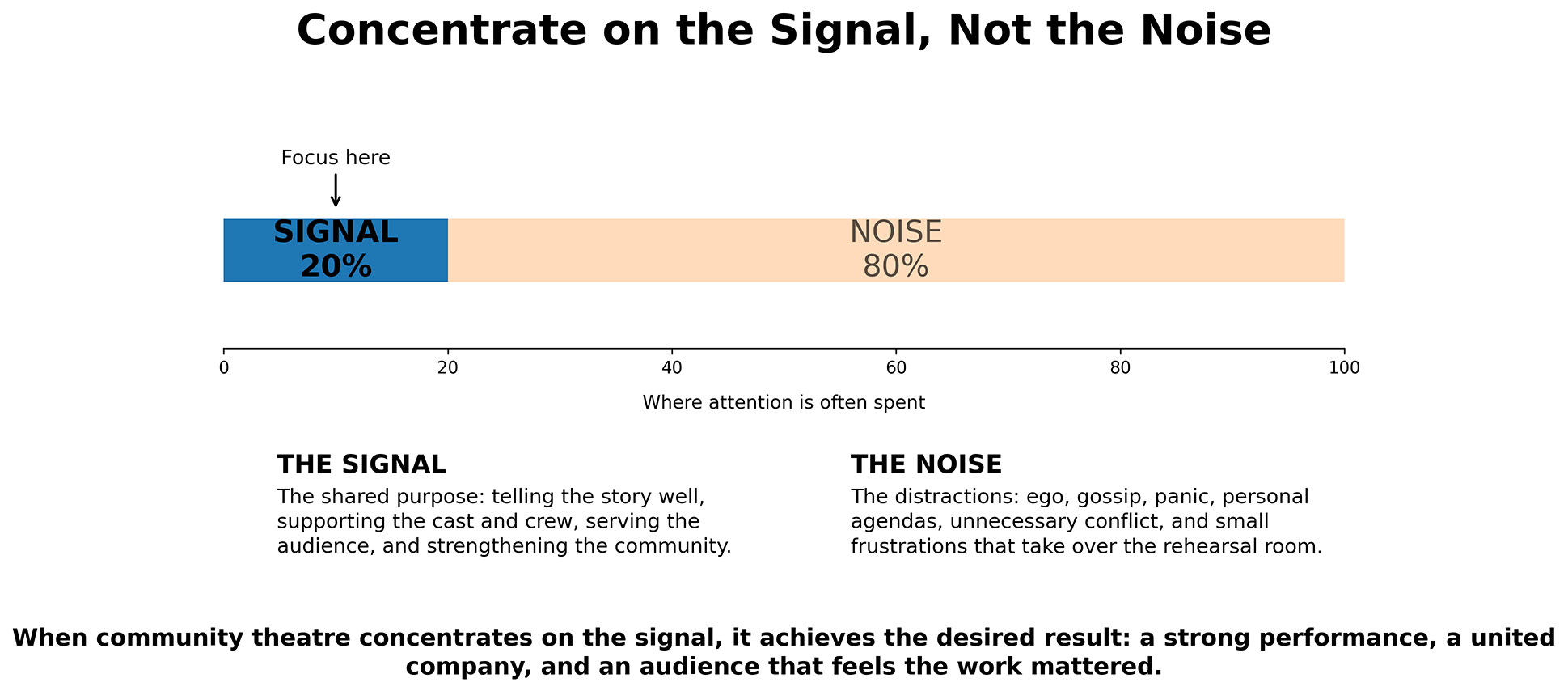
Where Have All the Men Gone?Male Participation in New Zealand Community TheatreAcross New Zealand community theatre, a growing number of companies are quietly confronting the same issue: the noticeable decline in male participation. Many theatre groups now report significant difficulties casting male roles, particularly among younger age groups. Productions requiring strong male ensembles are increasingly challenging to stage, and some traditional repertoire is becoming difficult to sustain without major adaptation. In youth theatre, especially, audition rooms are often overwhelmingly female, with only a small number of boys participating. This change is not simply a theatre issue. It reflects wider social shifts occurring across communities, education, identity, and social connection. Historically, community theatre in New Zealand was deeply connected to local life. Men participated not only as performers, but also as musicians, technicians, builders, directors, committee members, and volunteers. Theatre spaces functioned as important communal environments where generations gathered, collaborated, socialised, and expressed themselves creatively. Today, many young men appear increasingly disconnected from these communal artistic spaces. A range of factors may contribute to this, including:
At the same time, expectations placed upon young men can be contradictory and difficult to navigate. Many are encouraged to be emotionally open while simultaneously fearing ridicule, failure, or social exclusion. For some, performance and artistic participation may feel emotionally risky in ways that previous generations experienced differently. Importantly, this conversation should not be framed as opposition to the increasing success and leadership of women within the arts. Women and girls continue to drive and sustain much of New Zealand’s community theatre sector with extraordinary energy, creativity, and commitment. Rather, the question is why many boys and men no longer feel drawn to the same spaces. Community theatre offers something increasingly rare in modern society:
The decline in male participation therefore raises broader questions not only about theatre, but about community itself. If boys and men are disappearing from communal creative spaces, what are they replacing them with? And what might communities lose when fewer men engage in collective artistic and social life? These are important conversations for the future of community theatre in Aotearoa New Zealand. Paul Percy |
 |
 |
|
|
|
|
|
 |
|
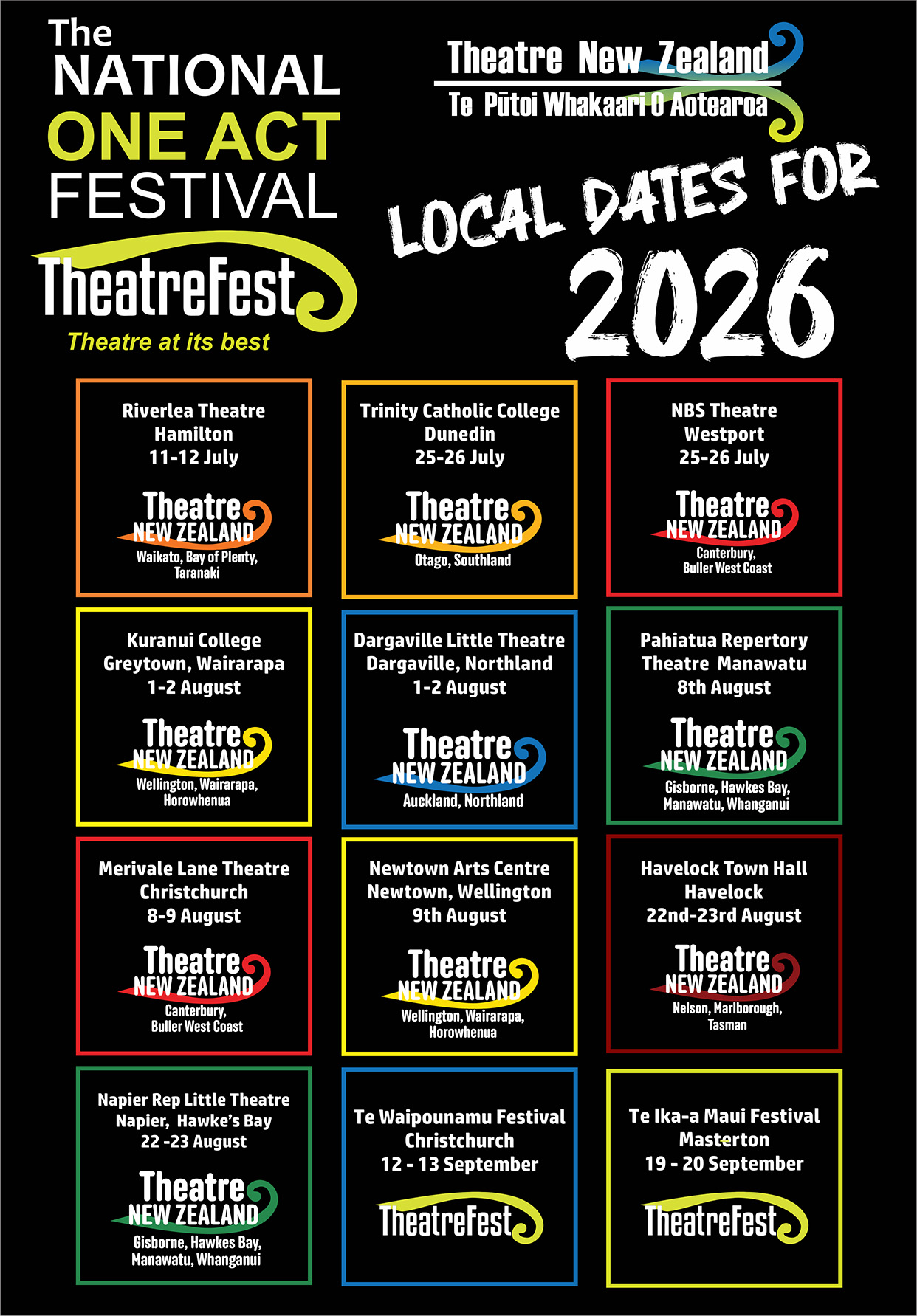
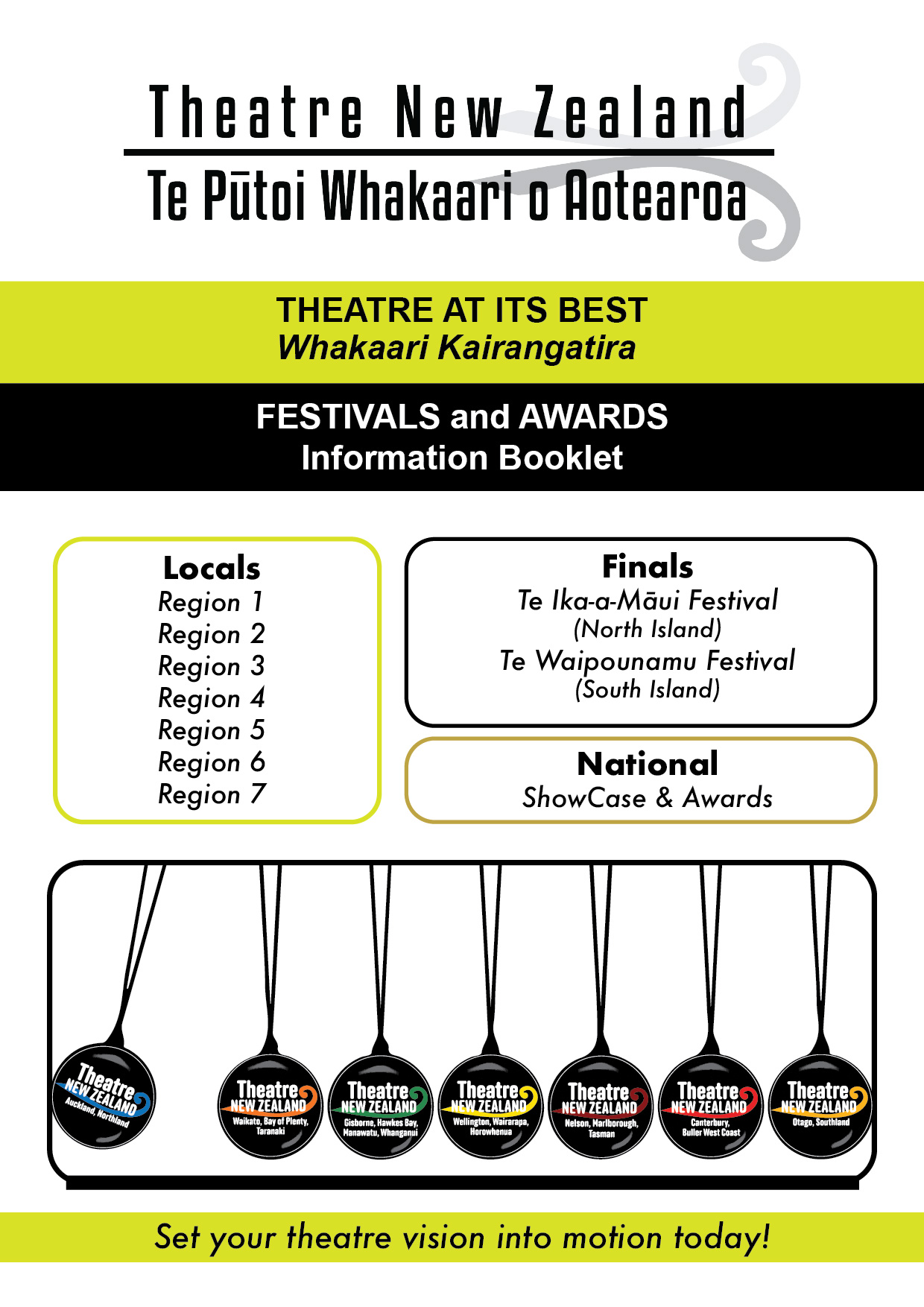
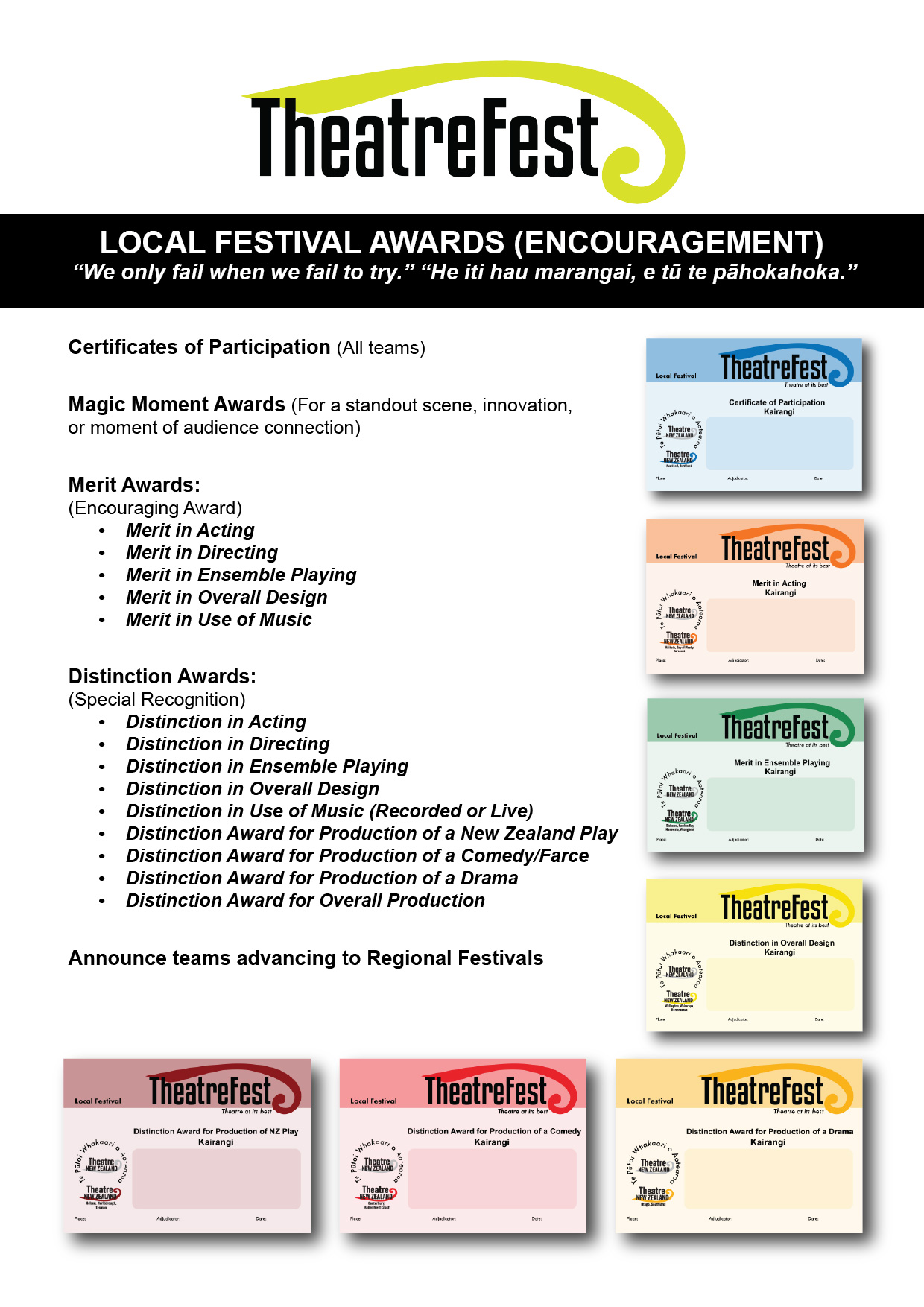
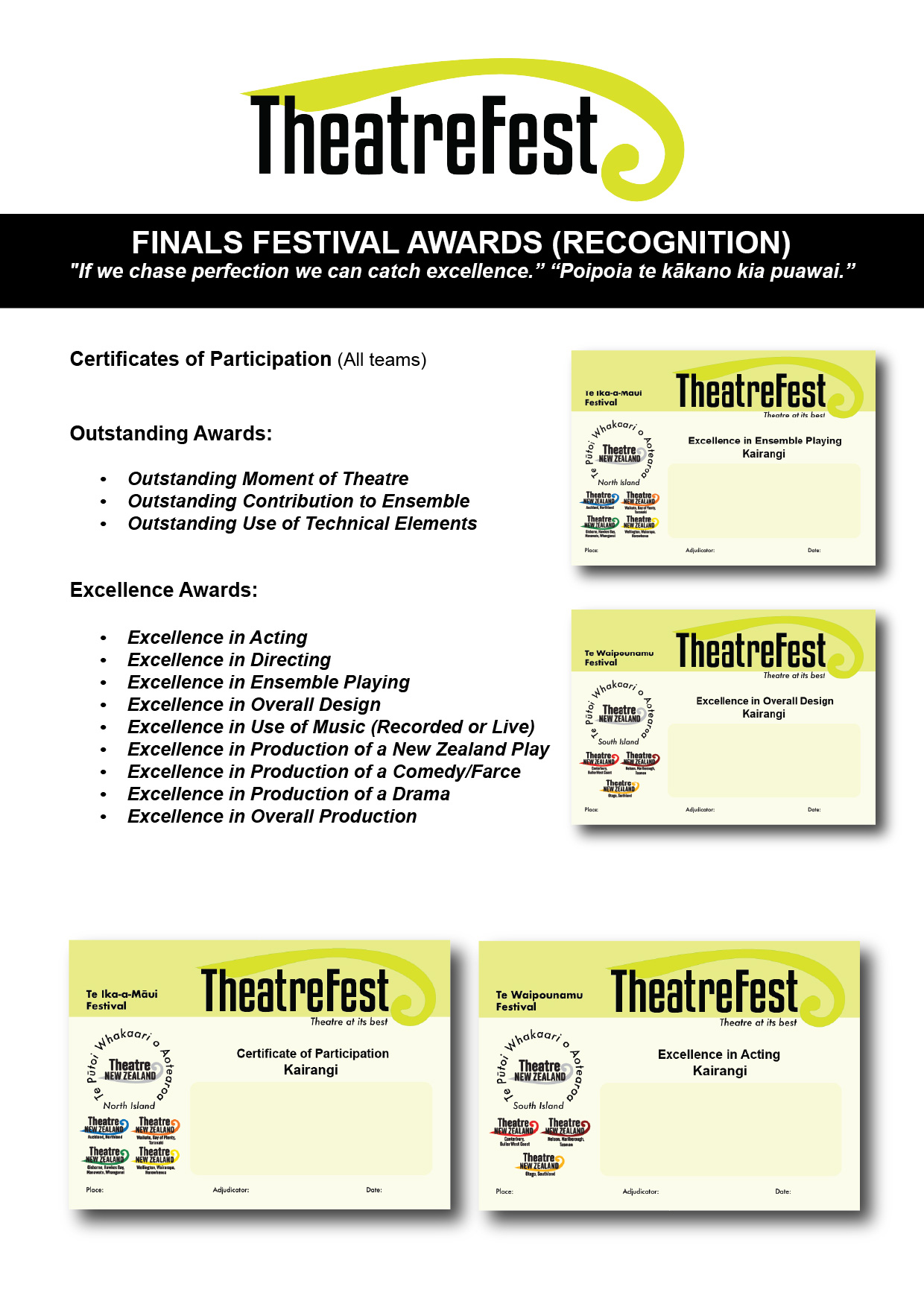
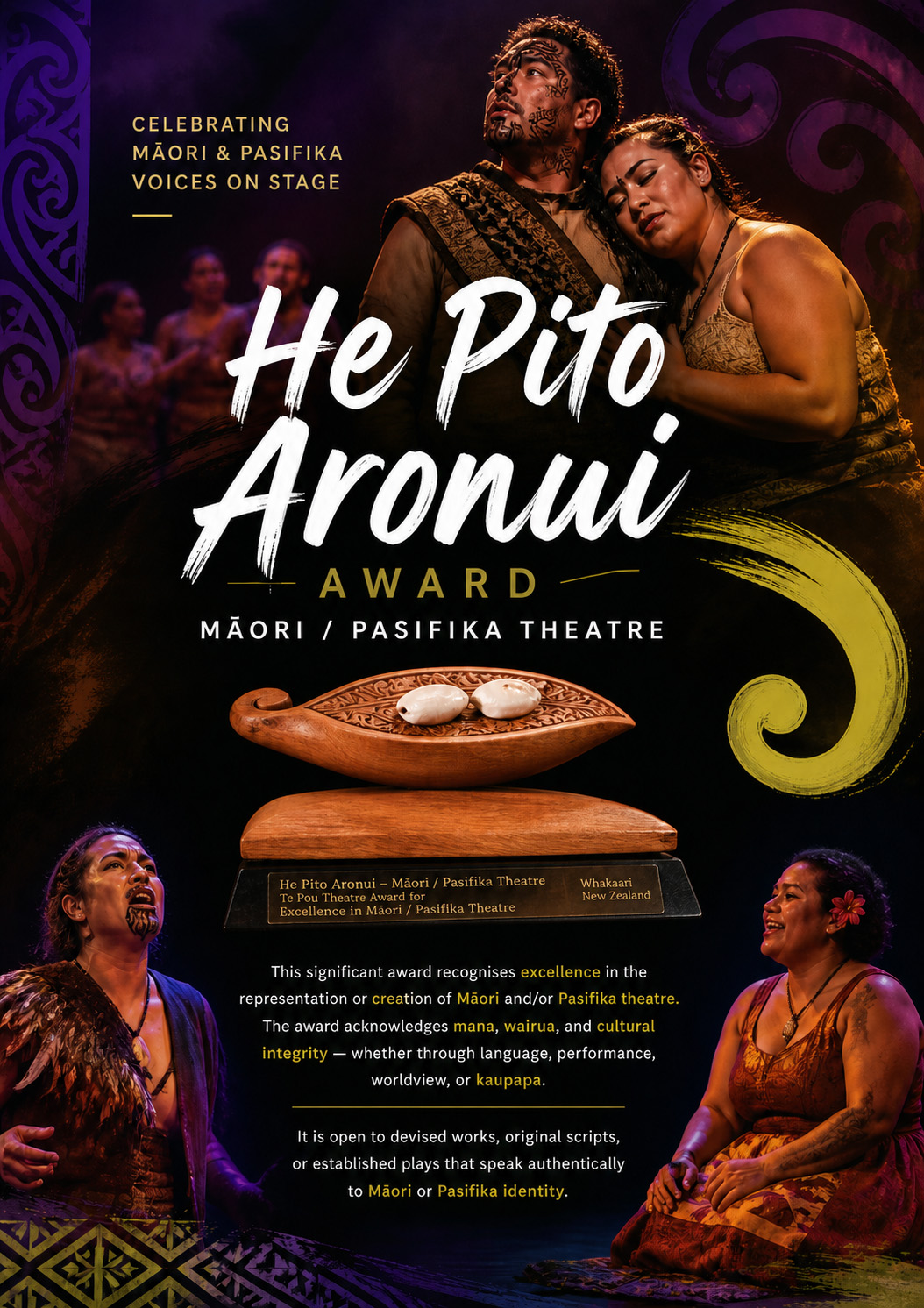
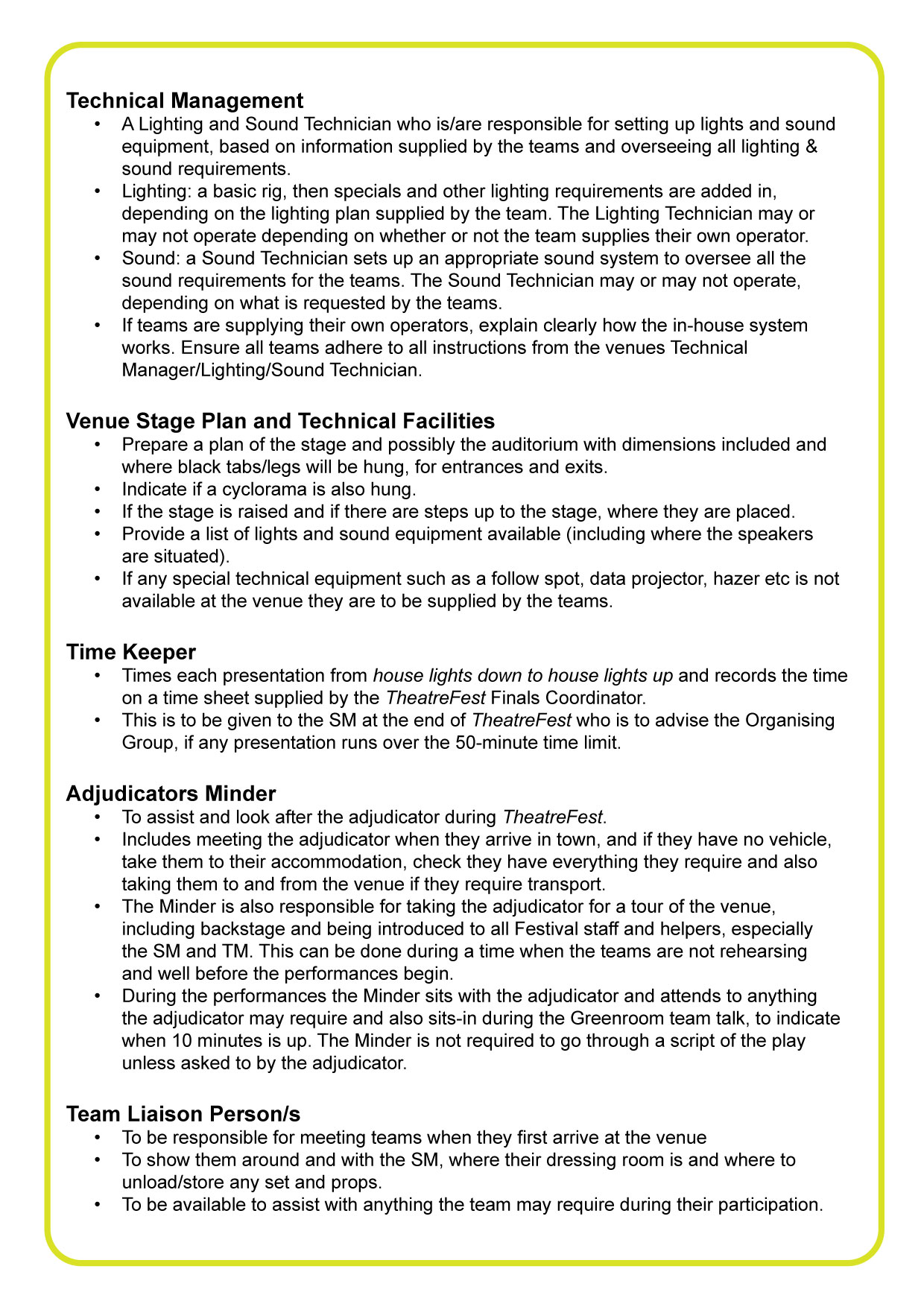
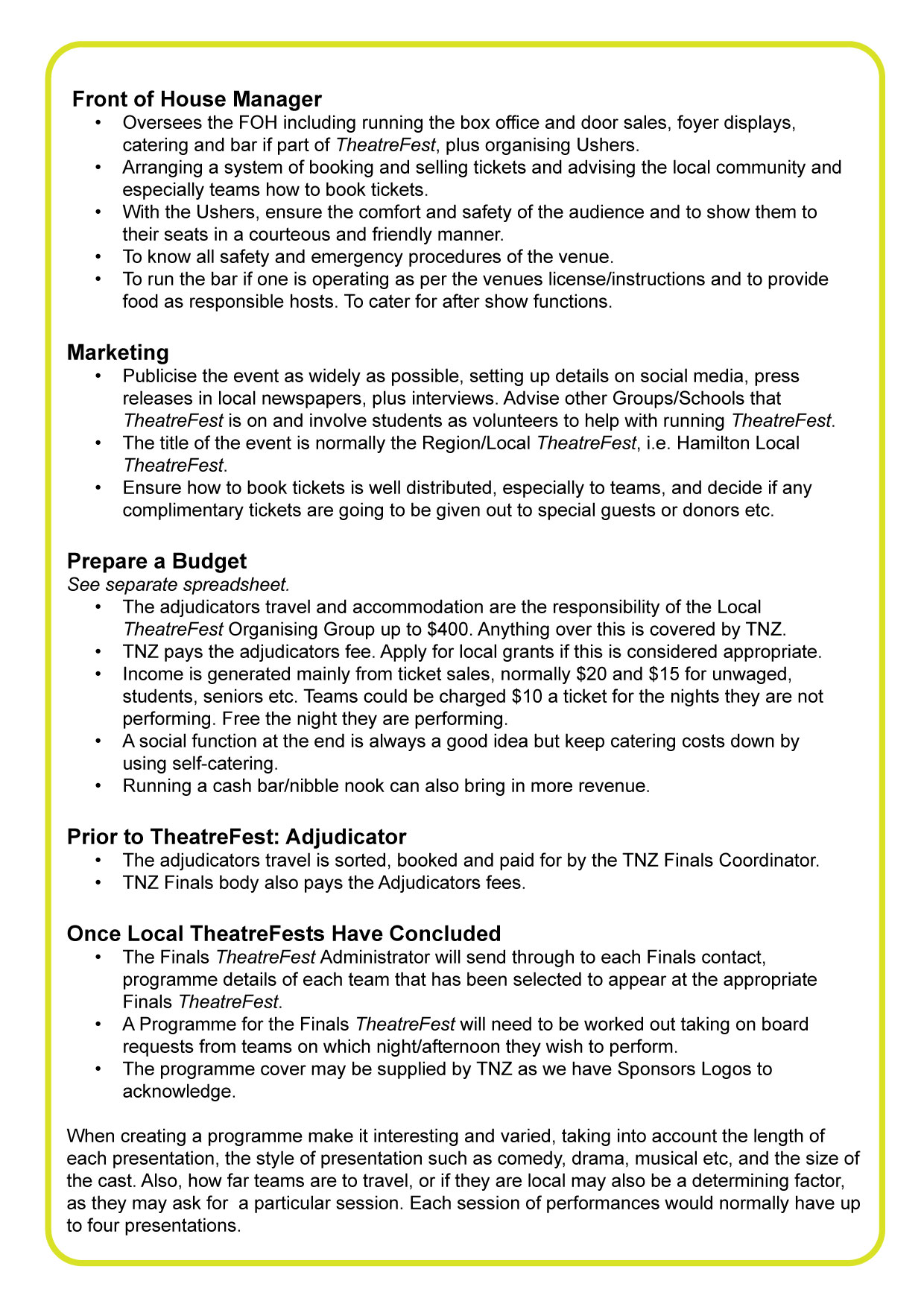
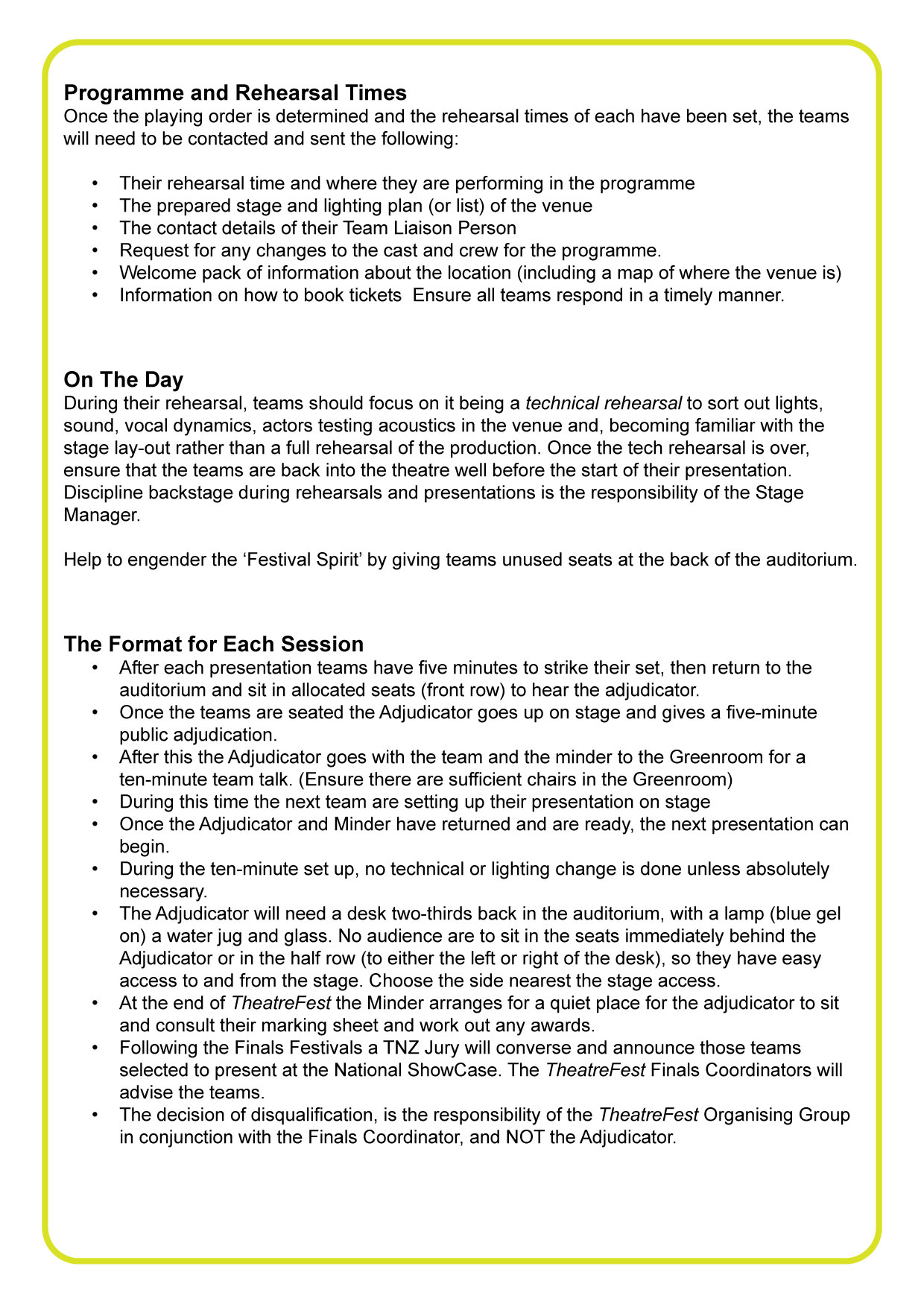
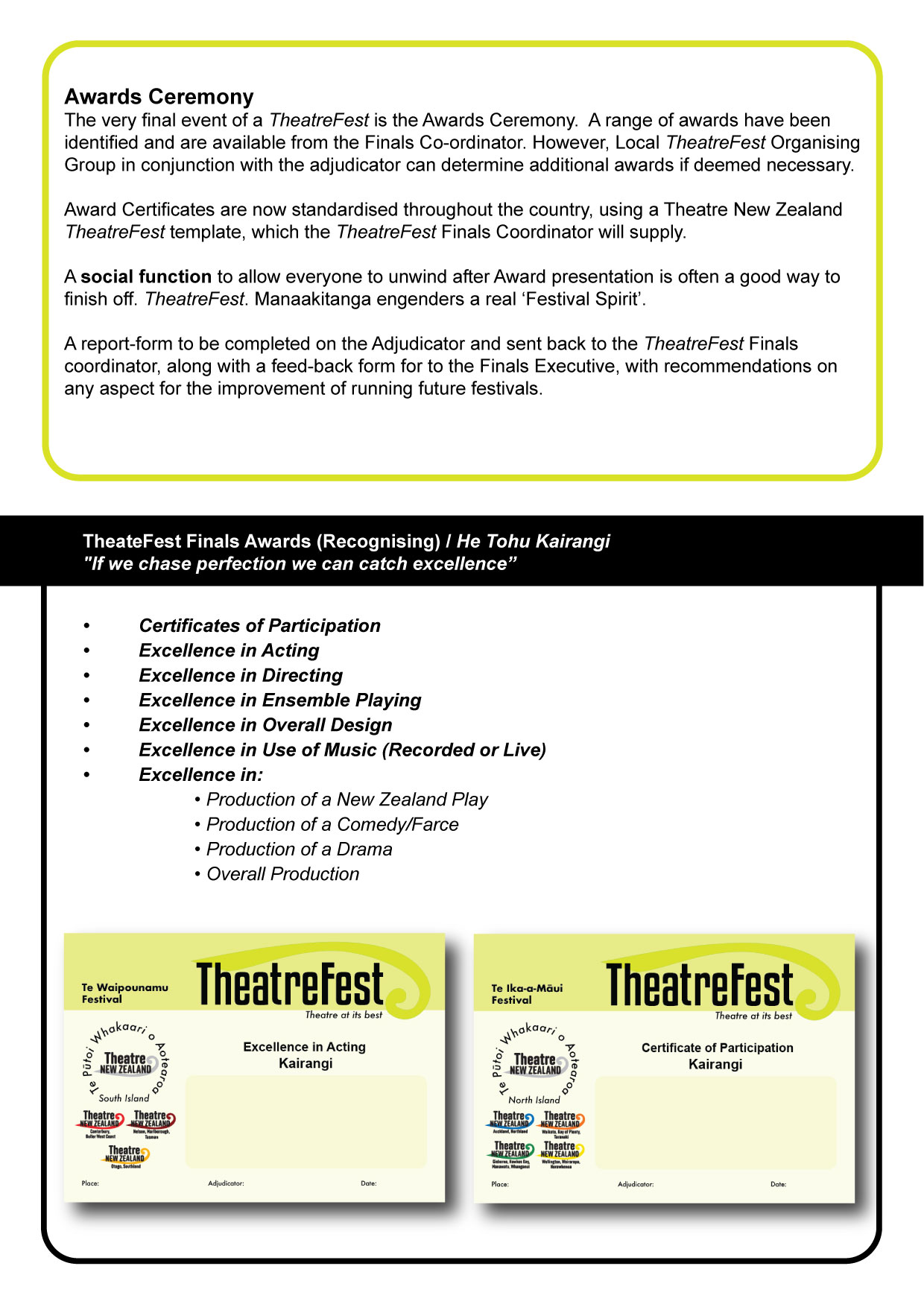
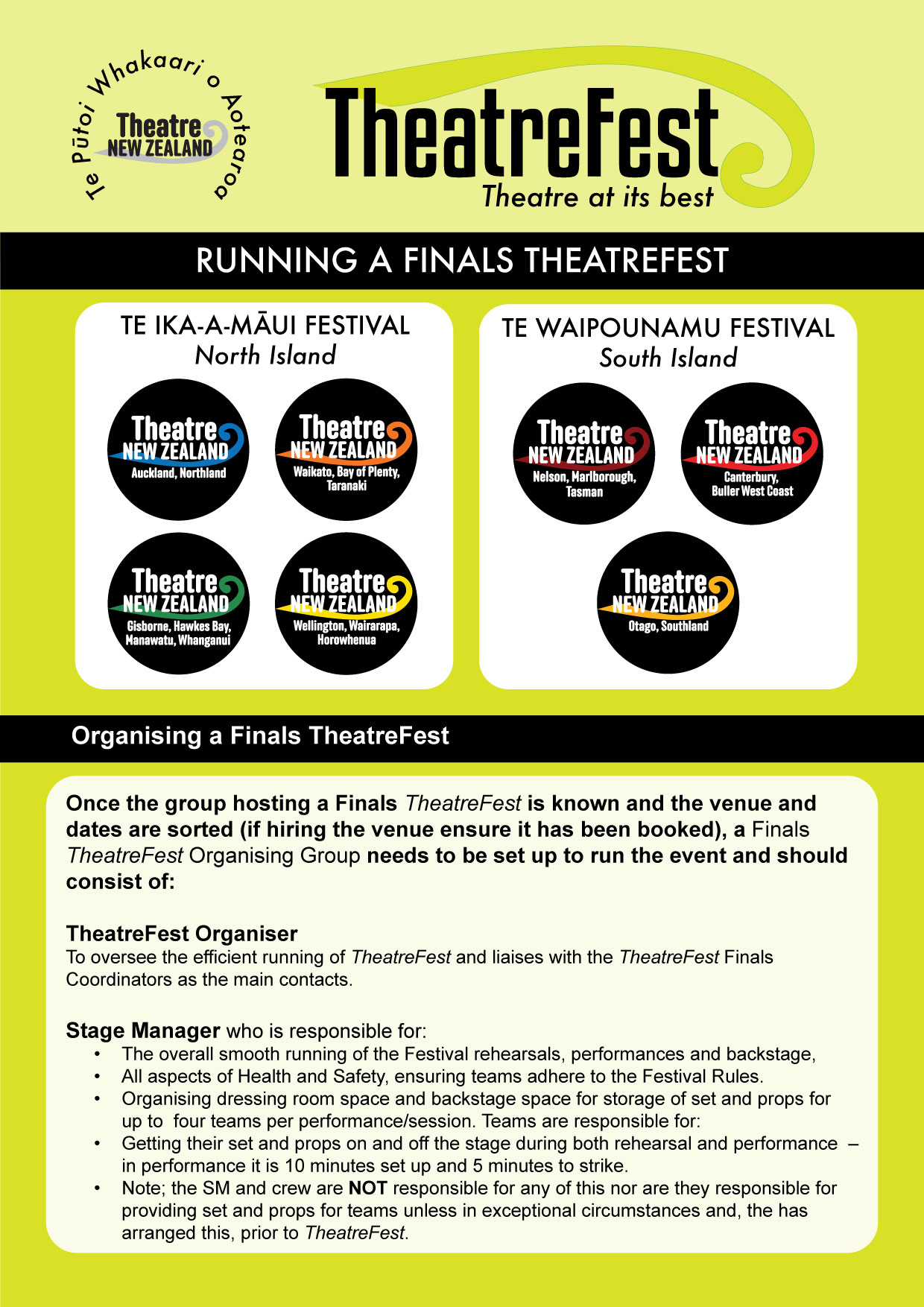
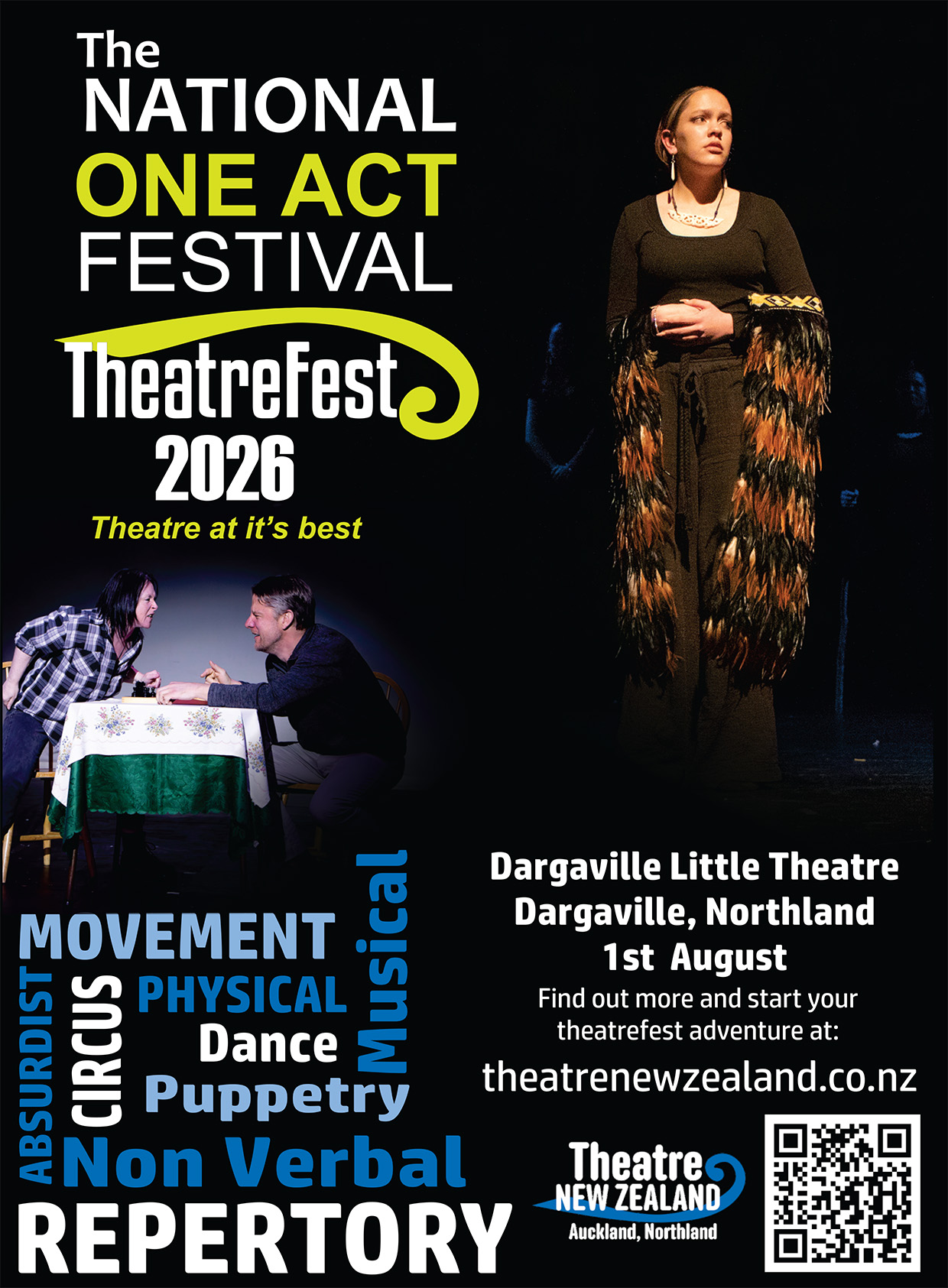
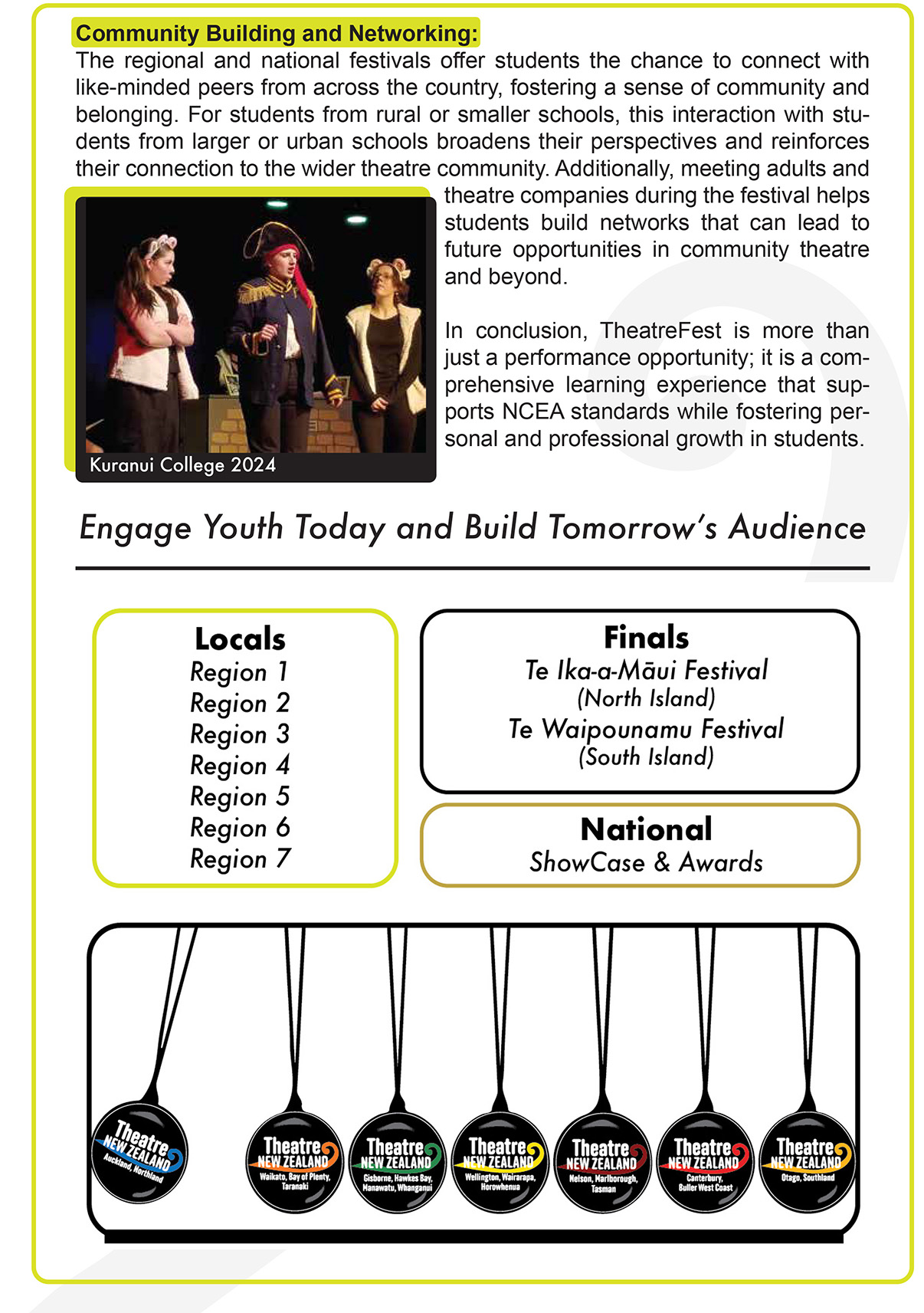
Read more about the new structure of TheatreFest, ShowCase and National Awards by clicking here. |
 |
 |
 |
|
|
 |
 |
 |
 |
|
|

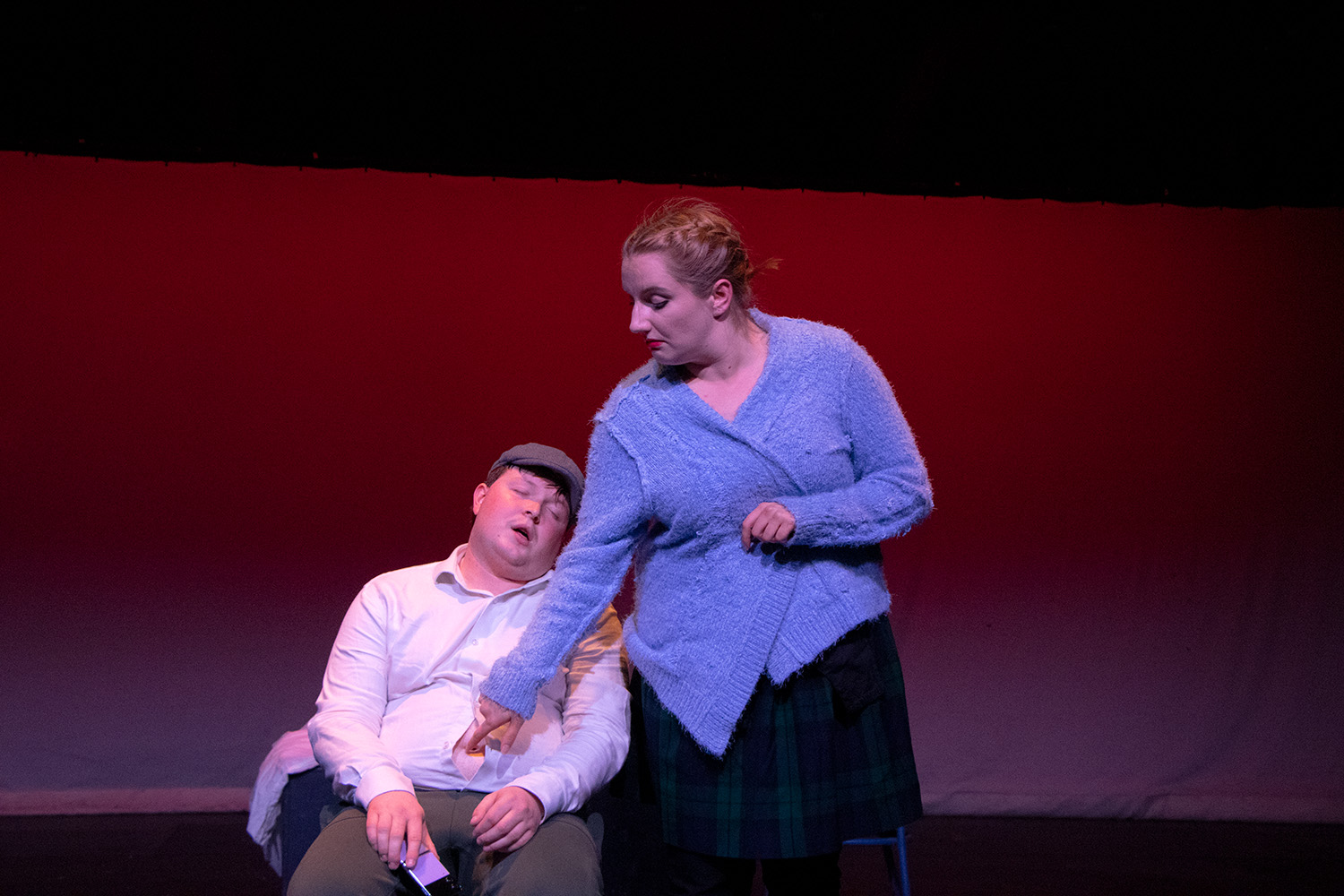
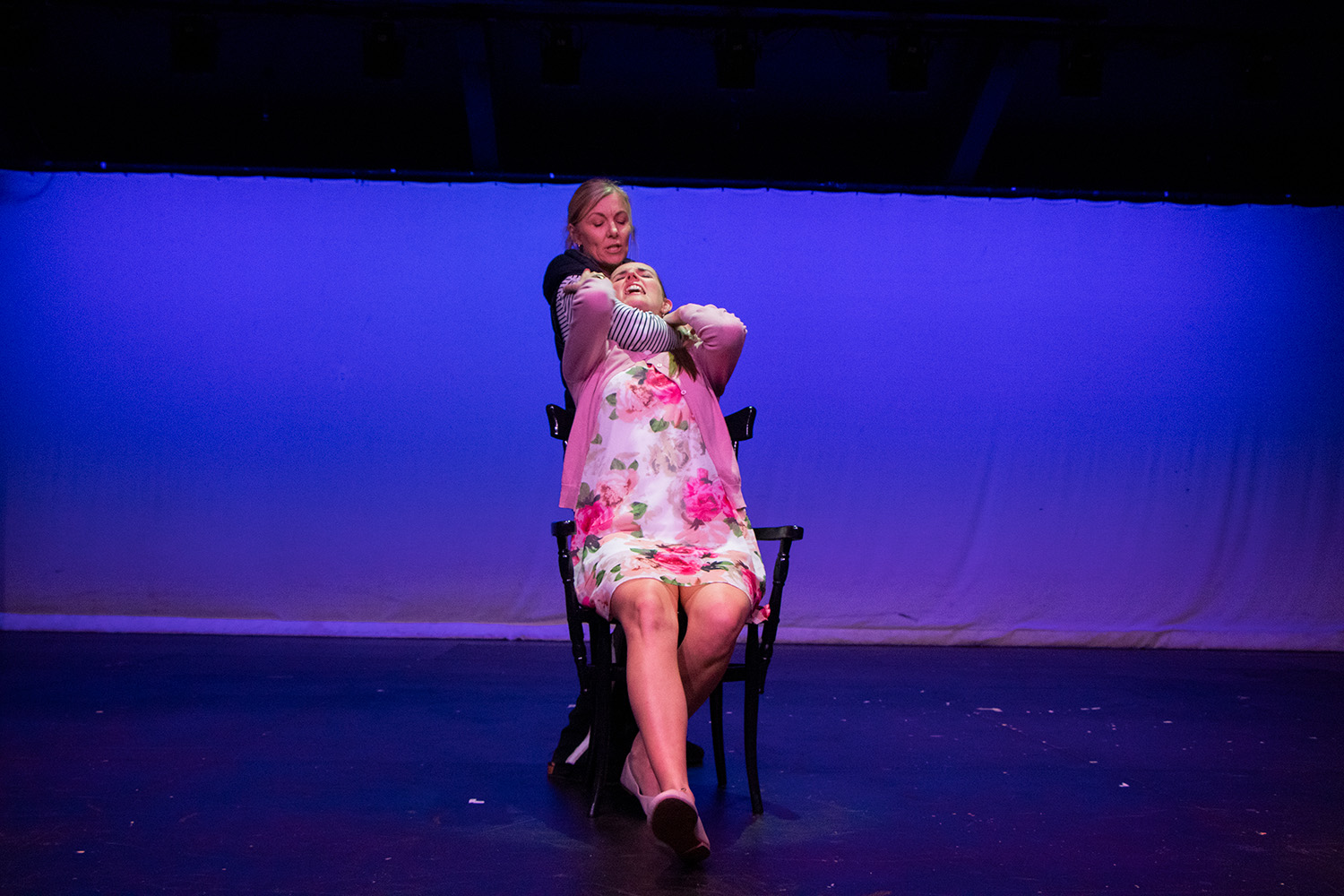
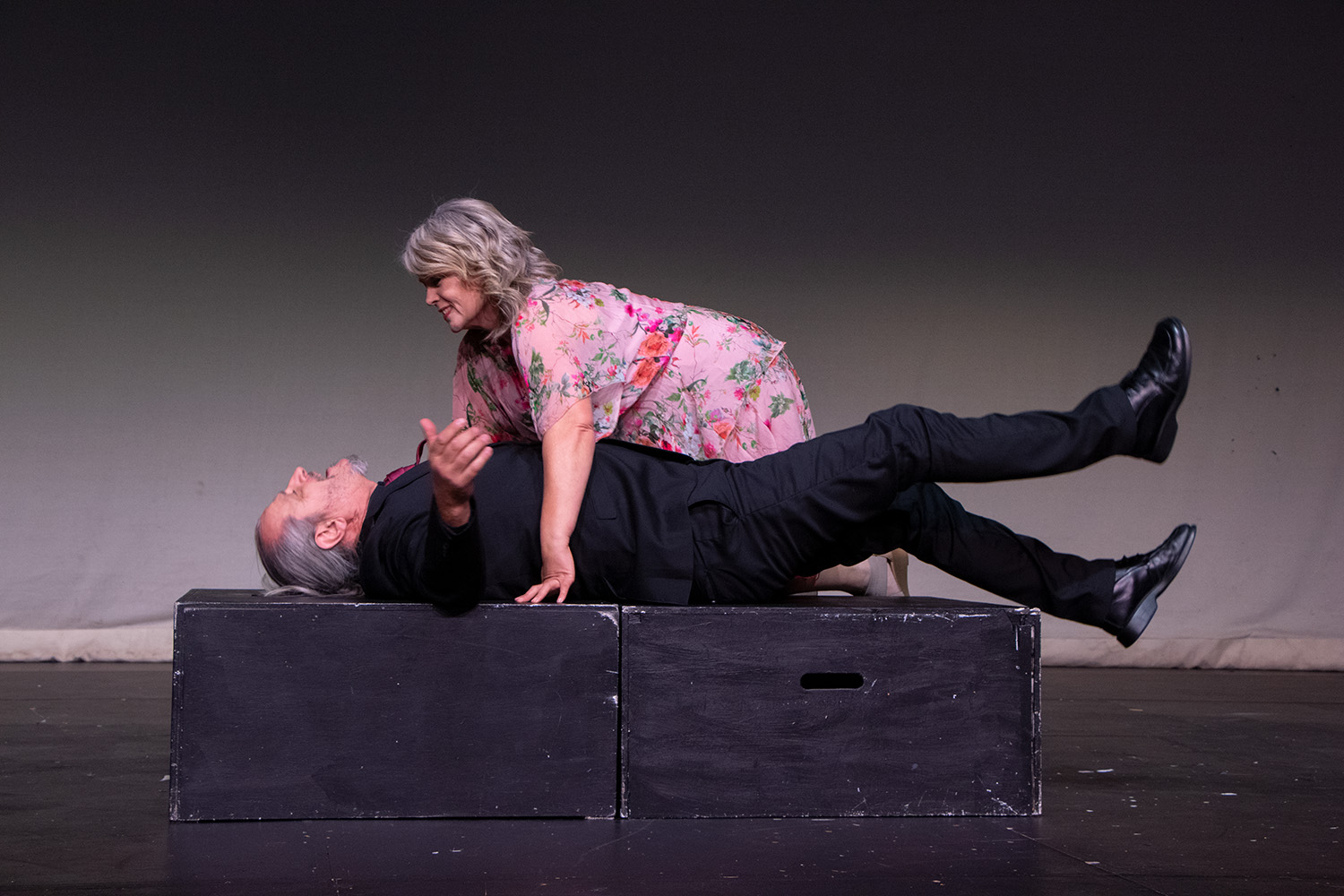
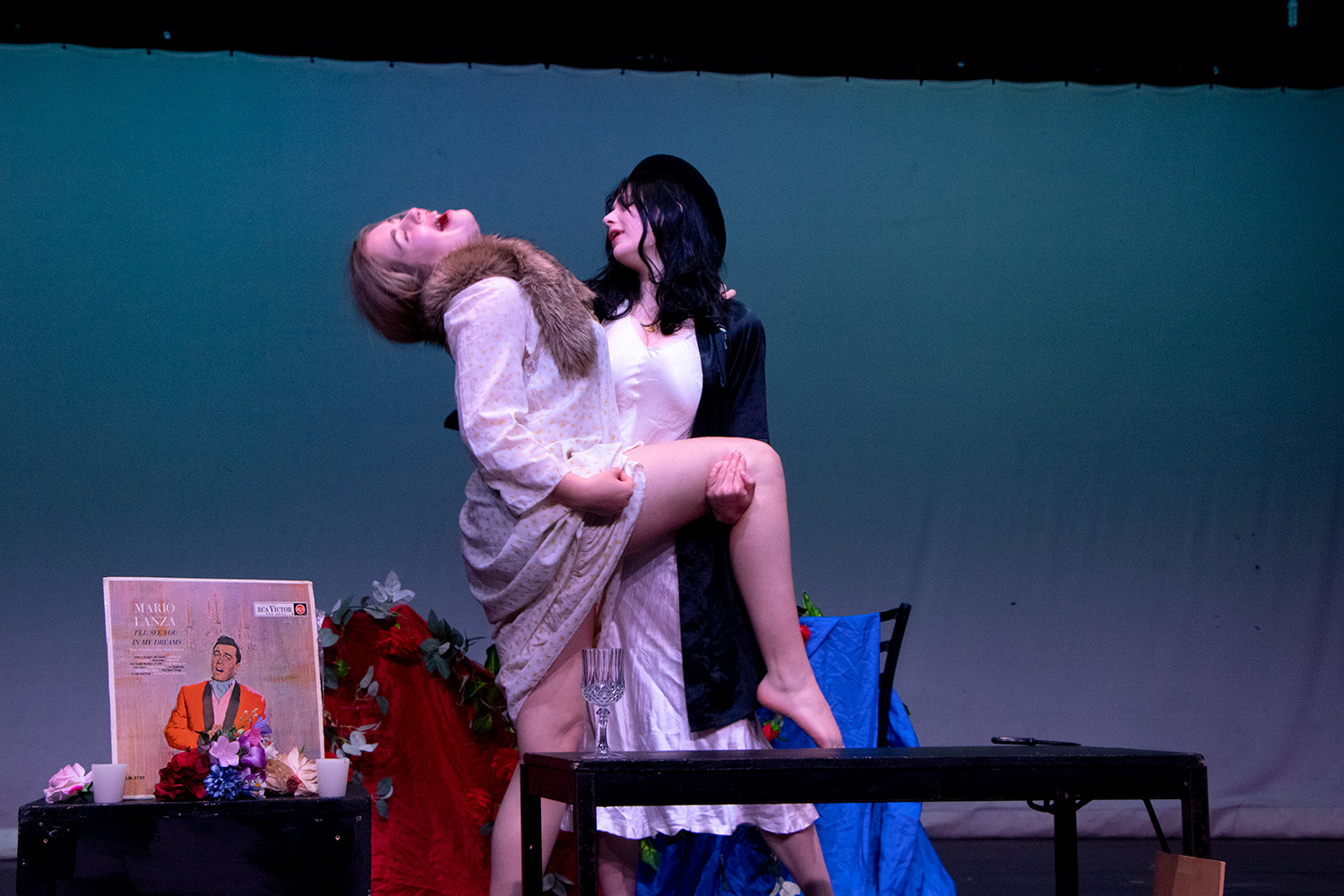


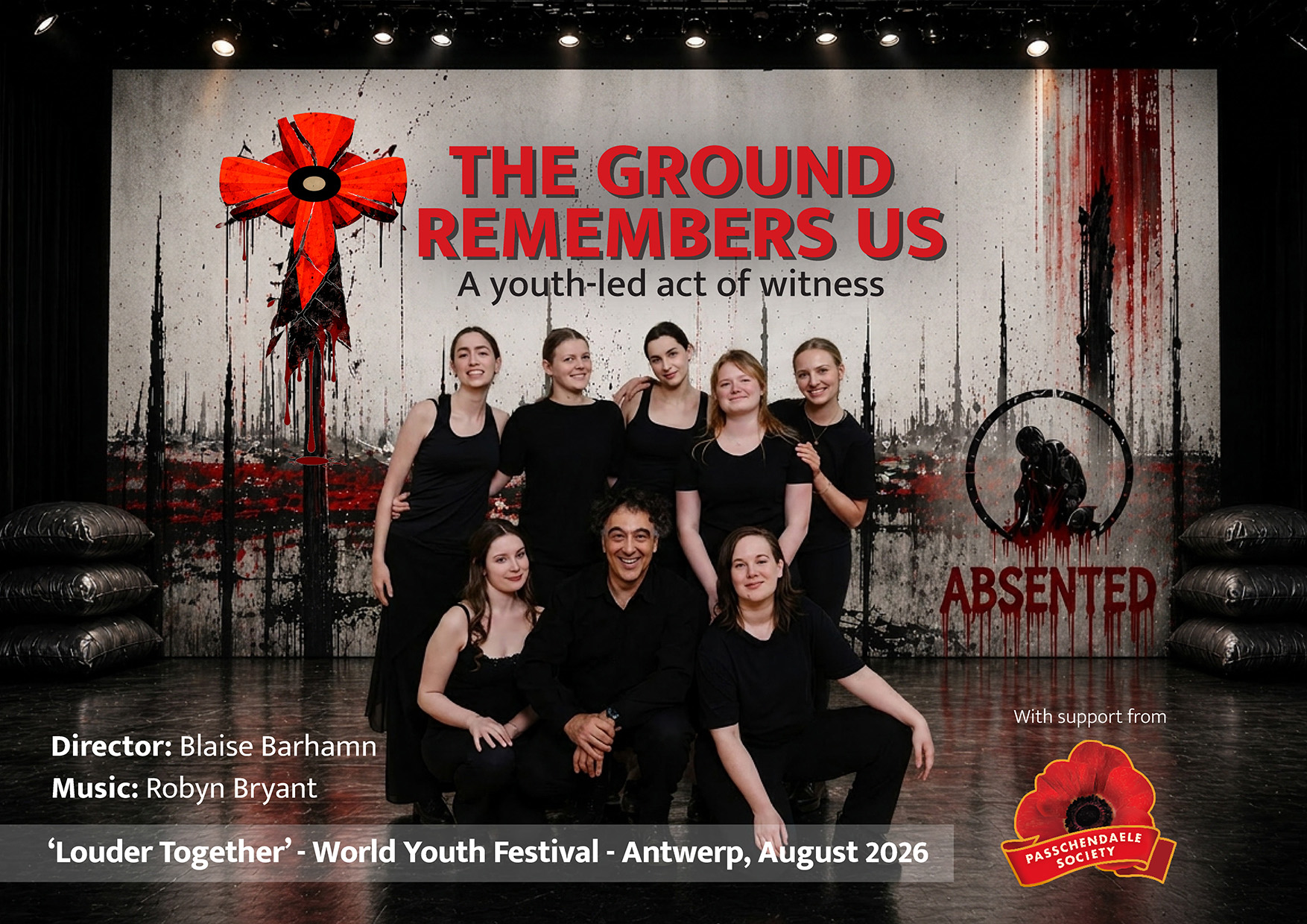 |
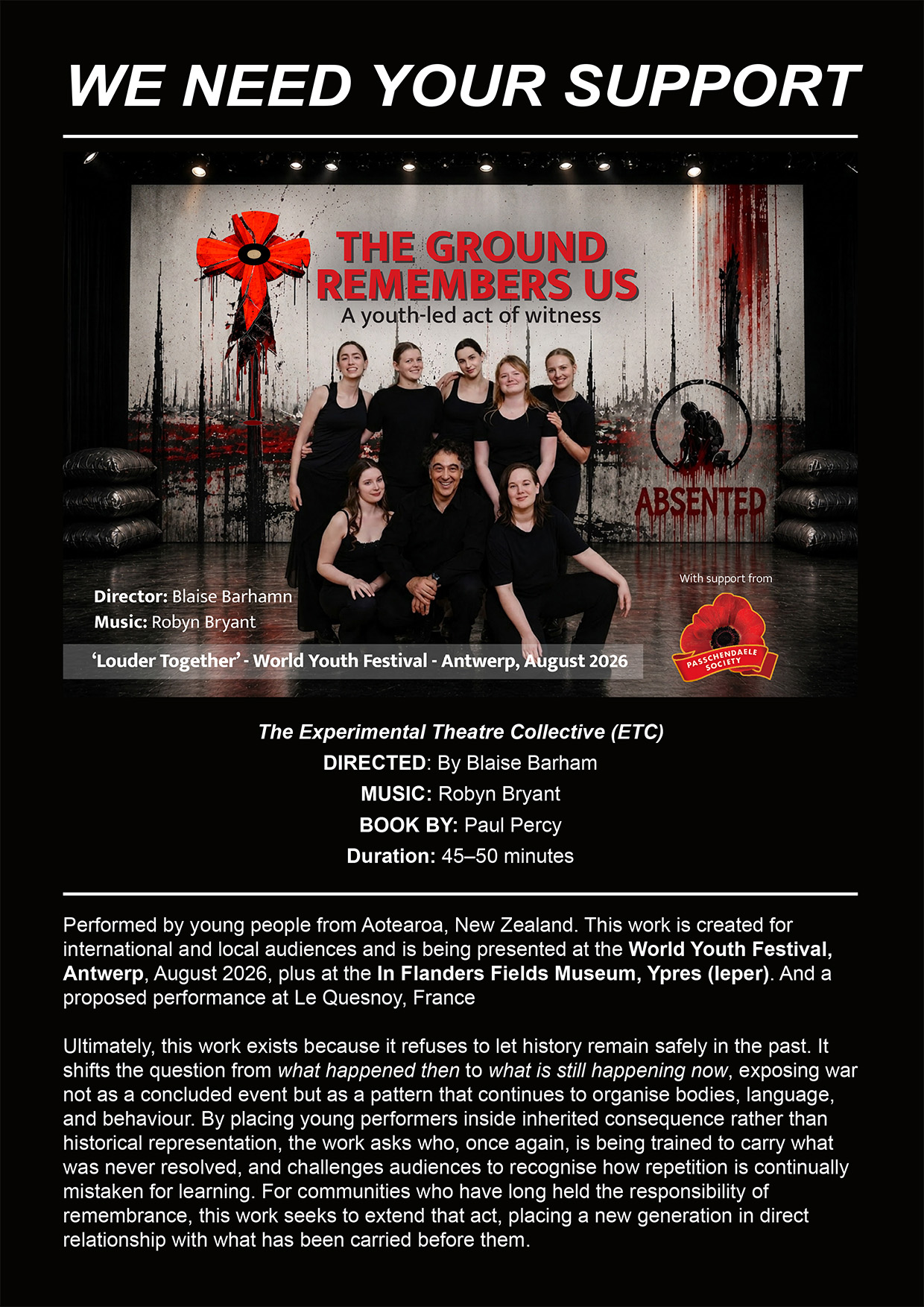
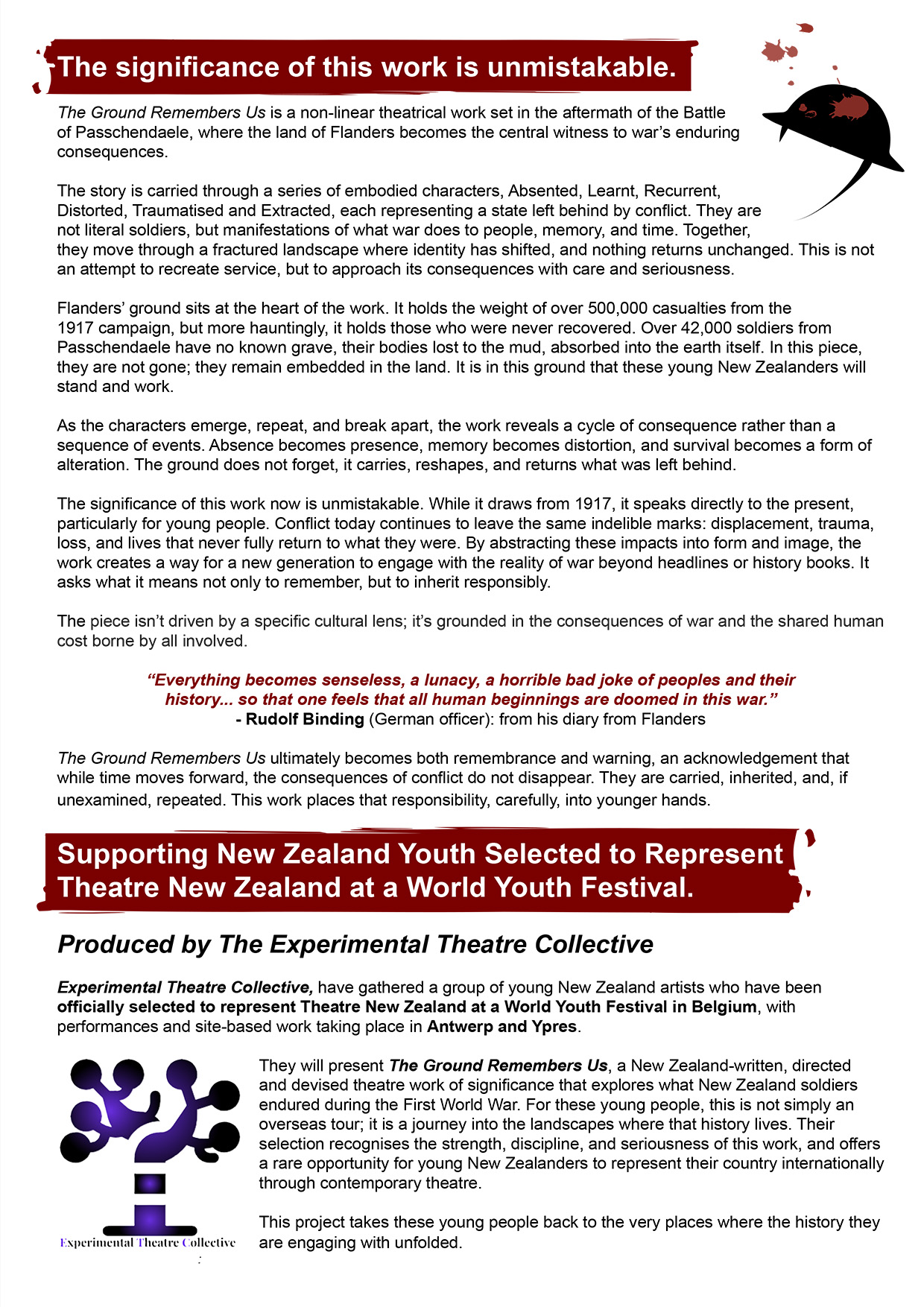
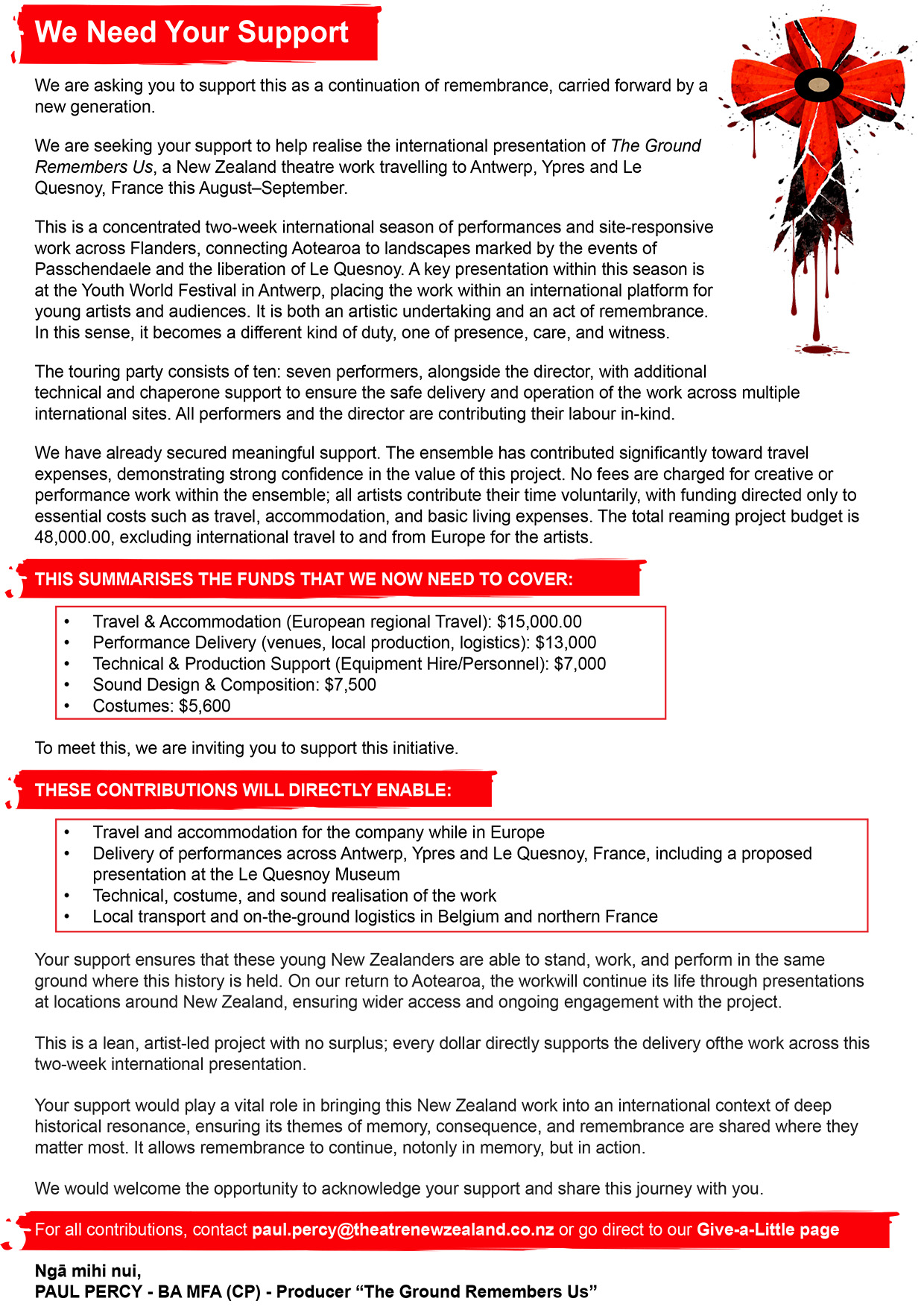
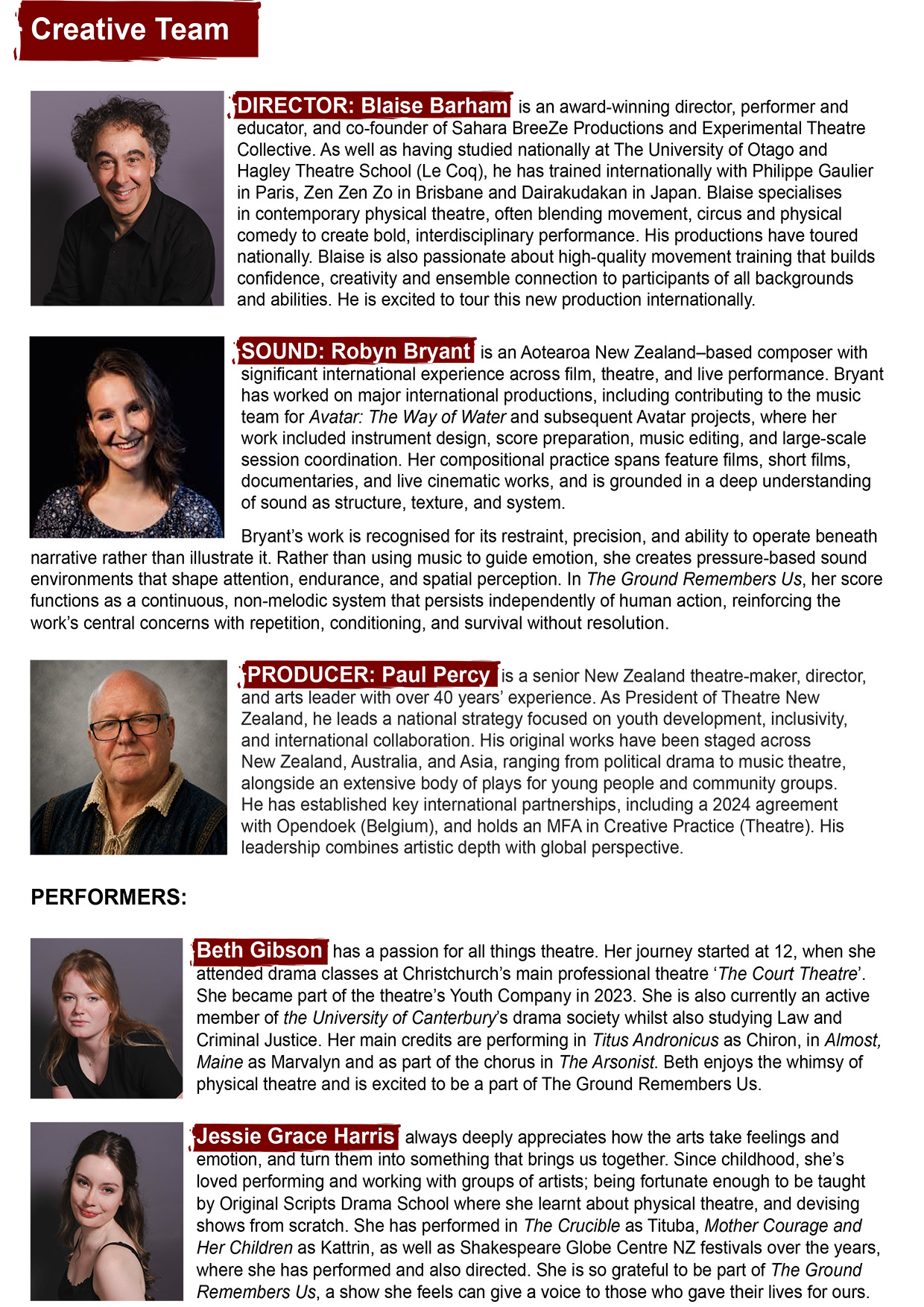
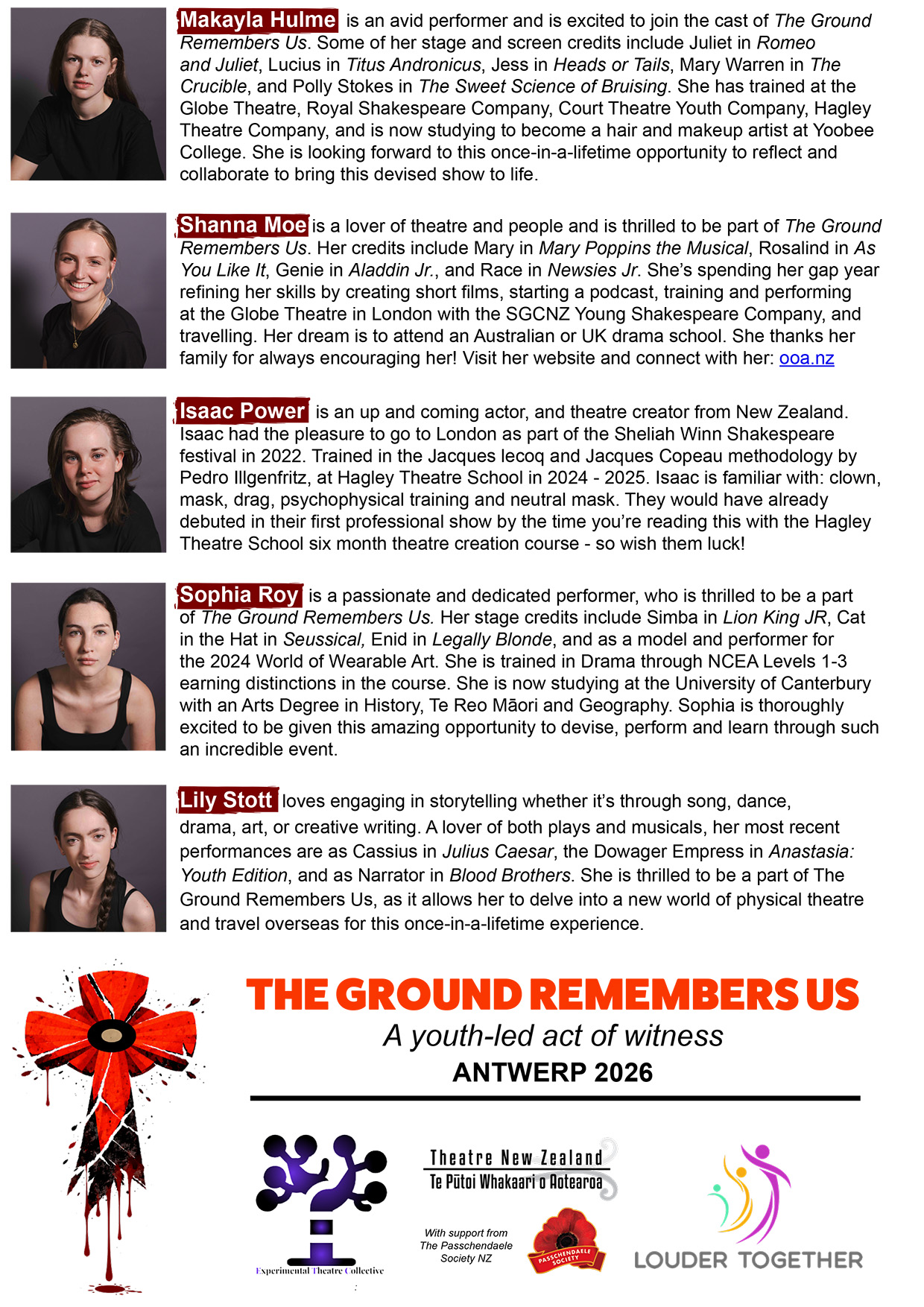
This is a Theatre New Zealand supported InititativeYou can help by contributing to our Give-a-Little campaign. Click on the link below. https://givealittle.co.nz/cause/the-ground-remembers-us-taking-nz-youth-theatre |
The Ground Remembers UsClick on any image to enlarge or click here to download the complete PDF document.
|
|
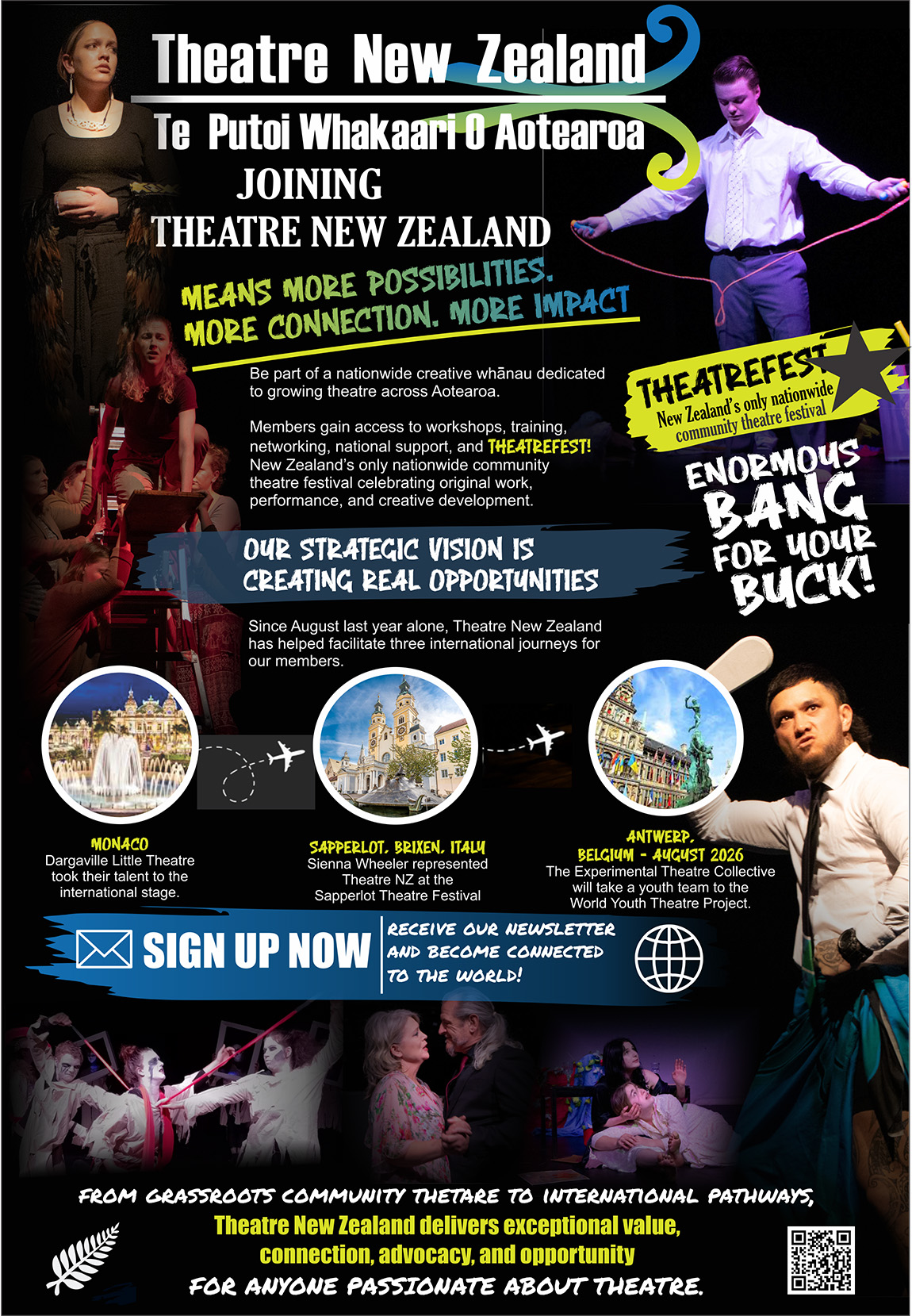
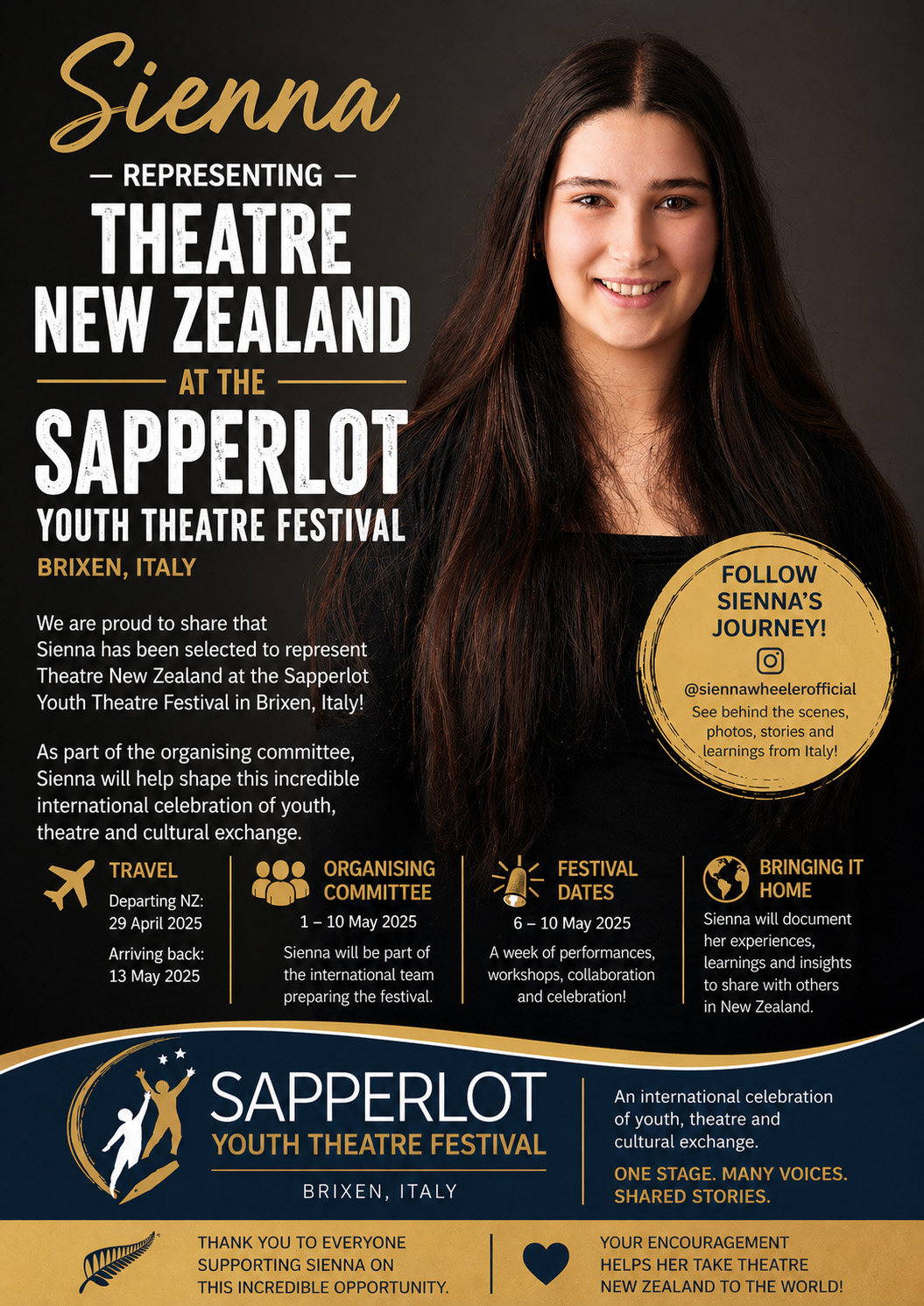
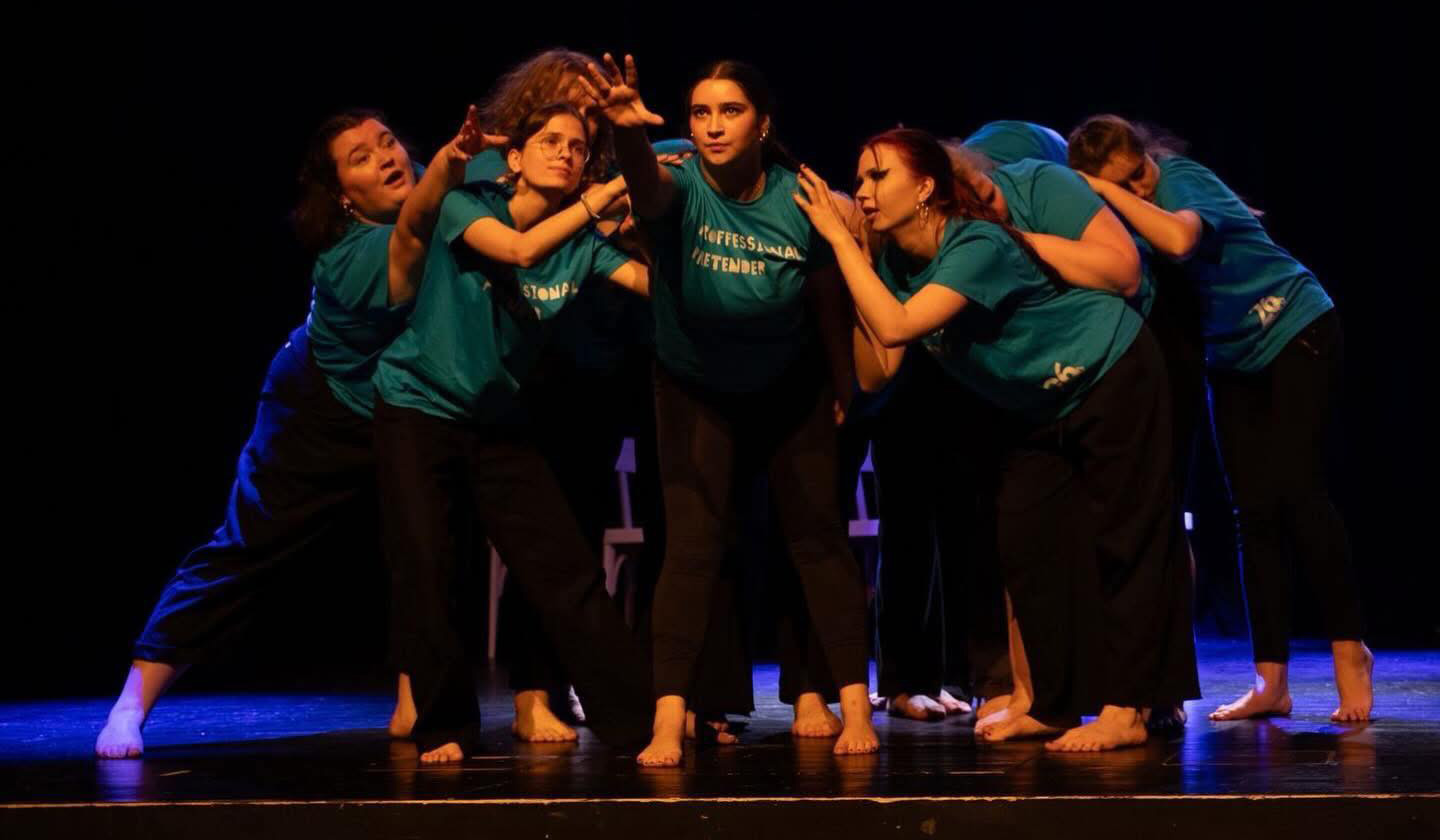
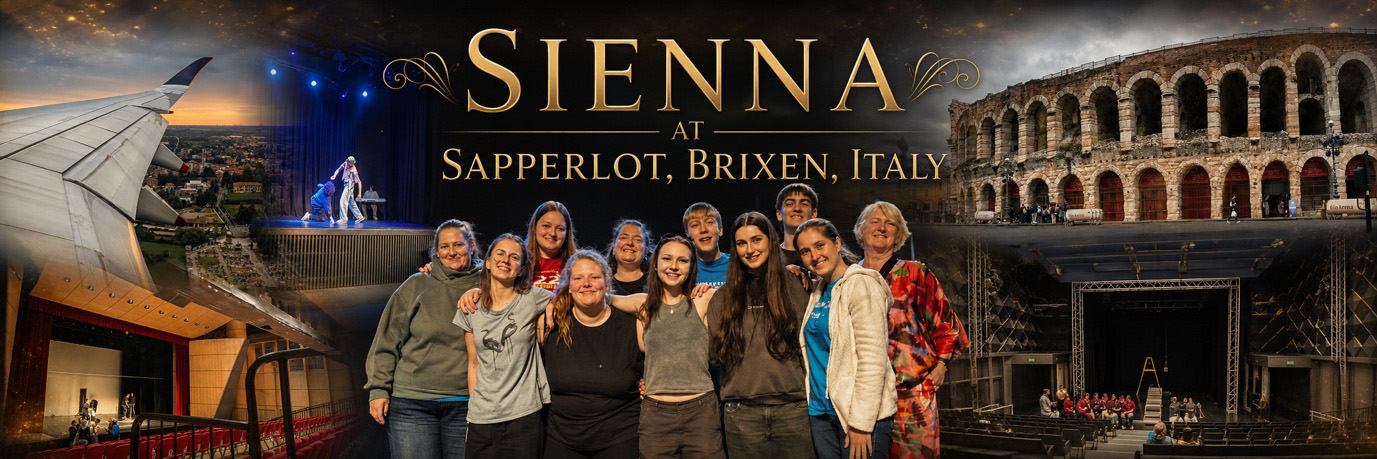
A Week of Theatre, Friendship and Creativity in Italy“It was a wonderful reminder of how theatre can bring people together across languages and borders”By Sienna Wheeler, AITA/IATA Youth Theatre NZ Representative The mountain town of Brixen, Italy, became a vibrant hub of creativity, culture and connection in May 2026 as young theatre-makers from across the world gathered for the Sapperlot Festival. Representing New Zealand as the AITA/IATA Youth NZ Representative, I had the incredible opportunity to spend eight unforgettable days immersed in workshops, performances and international collaboration. It truly was an experience I will never forget. From the very first day, the energy was electric. We launched straight into a workshop with Jonathan Troi, where movement, rhythm and trust-building exercises immediately brought our newly formed group together. Through mirroring activities, fast-paced name games and imaginative theatre exercises like “Whoosh” and “Monster,” we quickly learned how important focus, communication and spontaneity are in performance. What started as a room full of strangers soon became a supportive ensemble full of laughter and encouragement. Later that day, we explored Object Theatre with Mykola Shuliar. Using everyday objects and hand movements to create characters opened our eyes to how expressive even the smallest actions can be. It was fascinating to see how physicality and imagination could transform something ordinary into a living theatrical moment. The second day continued the momentum with more ensemble-building and improvisation workshops. Returning to Jonathan Troi’s workshop, we experimented with physical storytelling through statues, mirroring and vocal improvisation. The exercises challenged us to think quickly, trust our instincts and respond naturally to one another. In the afternoon, Klara Schwarzott led an energetic improv workshop packed with creativity and humour. From word association games to spontaneous scene work, every activity encouraged us to embrace unpredictability and let go of fear. Games such as “Yes, And?” and “Freeze” highlighted the importance of accepting offers in improvisation and building stories collaboratively. One particularly memorable activity featured an “Alien Expert” speaking in a completely made-up language while another participant translated the interview for the audience, resulting in plenty of laughter and wildly inventive storytelling. By day three, we were preparing a dance piece for the Sapperlot Festival itself. The performance centred around themes of loneliness, connection and unity, eventually building into a powerful image of people coming together. Later, we celebrated our different cultures during an international picnic, where each country shared iconic snacks and treats from home. It was a wonderful reminder of how theatre can bring people together across languages and borders. Day four introduced us to the physically demanding world of physical theatre in a workshop led by Helium Heltimoinen. Through endurance-based exercises involving movement, breath work and partner challenges, we explored how pushing beyond physical discomfort can unlock honesty and commitment in performance. The workshop was intense, exhausting and incredibly rewarding, teaching us that vulnerability and effort often create the strongest performances. We also began preparing sketches for the opening ceremony, with our group creating a performance themed around photography. The collaborative process brought together different artistic ideas and styles from across the international team. One of the highlights of the week came on day five with a trip to Verona. Walking through the historic streets and seeing landmarks such as the Arena di Verona and Juliet's House was surreal. The blend of history, architecture and culture made the city unforgettable. That evening marked the official opening of the Sapperlot Festival. Watching theatre groups from nine different countries perform on the same stage was inspiring. Every performance brought a completely different perspective, style and energy, yet all shared the same passion for storytelling. Performing alongside the AITA/IATA Youth team was a proud and exciting moment, and the opening-night atmosphere was incredible. The following days were filled with even more workshops, performances and cultural exchange. Directors from the visiting groups led sessions ranging from theatre games to advanced acting techniques. One workshop introduced us to the Laban movement technique combined with Shakespearean text, a fascinating exploration of how movement qualities can shape character and emotion. The performances throughout the festival were equally inspiring. Groups from Finland, Estonia, Croatia, Denmark, Belgium, the United Kingdom, Romania, the Czech Republic and Italy each brought unique theatrical voices to the stage. Whether highly physical, deeply emotional or wildly comedic, every show demonstrated the diversity and creativity of youth theatre around the world. Outside the theatre itself, the festival fostered genuine friendships and cultural understanding. Shared meals, game nights, open-stage performances and international food markets created opportunities to connect beyond language and nationality. One particularly memorable moment was the AITA/IATA Youth team’s rap performance during the open stage, celebrating the personalities and talents of our members in a fun and energetic way. On the final day of the festival, I had the opportunity to lead a dance workshop during the skill exchange session. Together, we warmed up, choreographed movement and created a dance collaboratively as a group. It was incredibly rewarding to share my passion for dance with participants from around the world and watch everyone contribute creatively. The festival concluded with a moving closing ceremony. Each team had been given a blank chair to decorate throughout the week, representing their group’s identity and artistic spirit. Together, the painted chairs formed a larger installation symbolising how theatre connects people from different countries, cultures and experiences. Seeing all the designs side by side perfectly captured the heart of the festival. Looking back, my time in Brixen was far more than just a theatre festival. It was an opportunity to grow as both an artist and a person, to learn from inspiring practitioners and to build friendships with people from across the globe. I am incredibly grateful to Theatre New Zealand for giving me the honour of representing New Zealand at such a special event. The Sapperlot Festival reminded me that theatre is not only about performance, it’s about connection, collaboration and the stories we create together. |
Regional Round Up |
Region 1
|
 |
|
Region 2
|
 |
|
|
Region 3 |
 |
Adrienne Hurley |




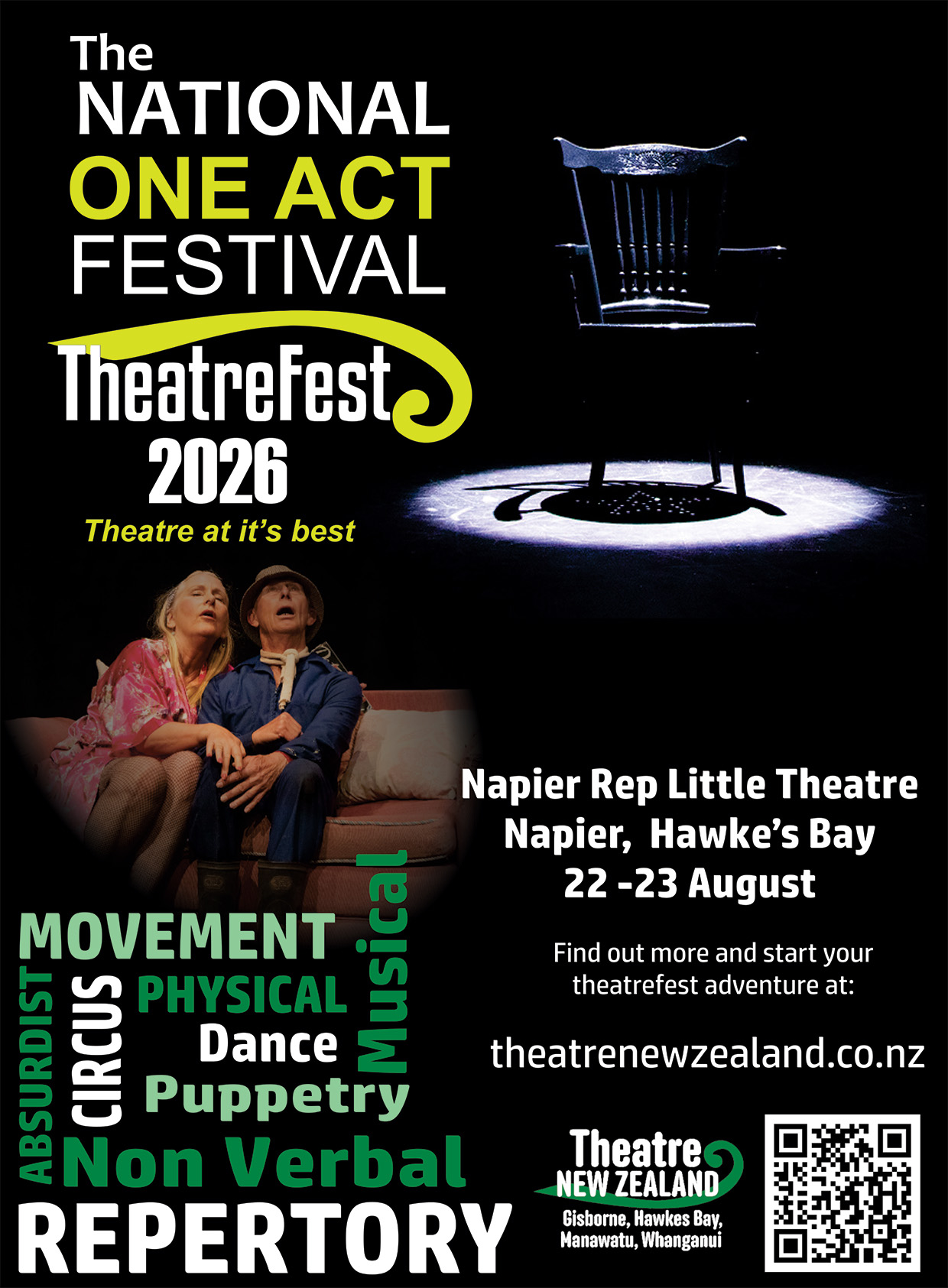
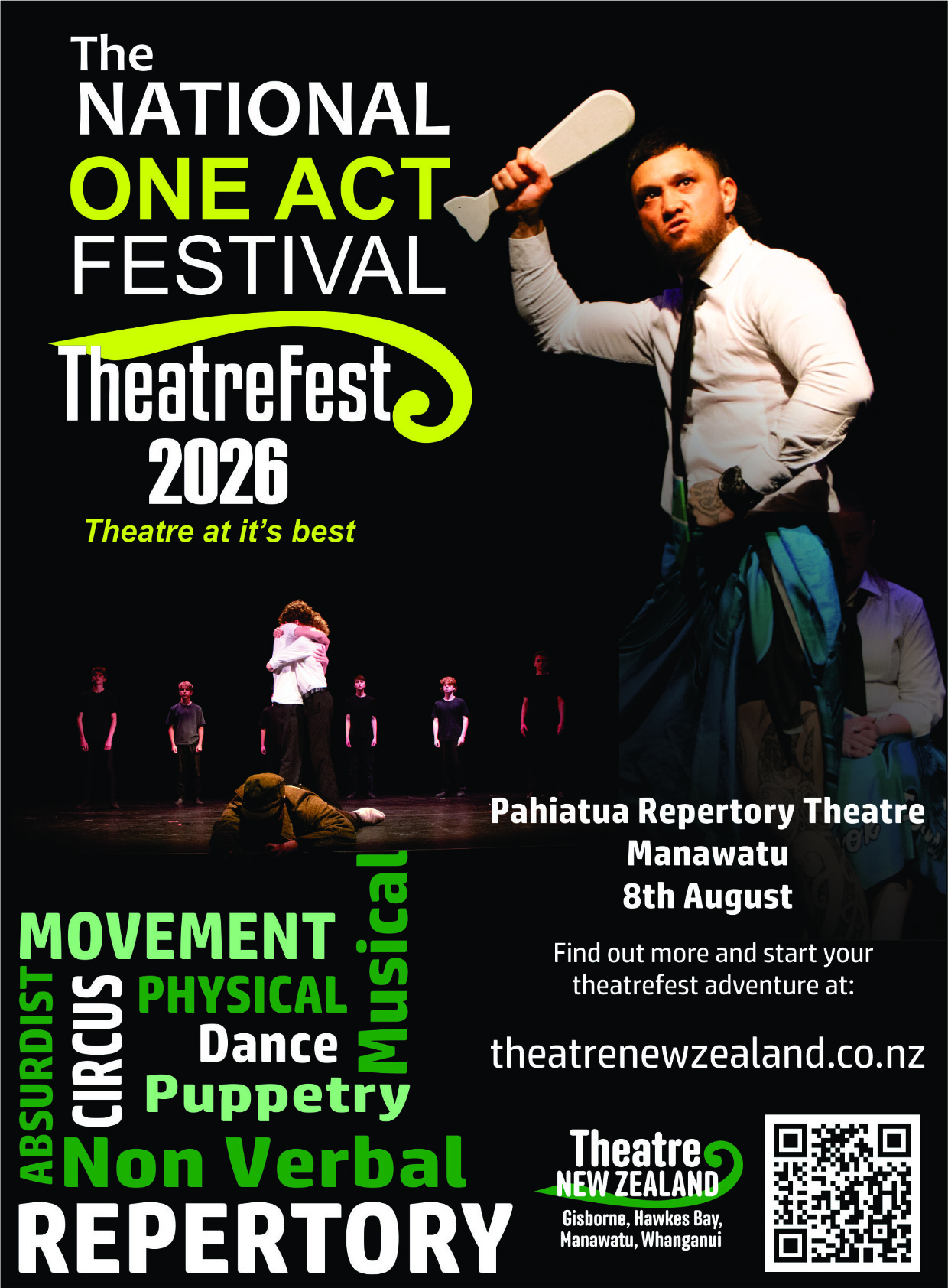
Region 4
|
 |
|
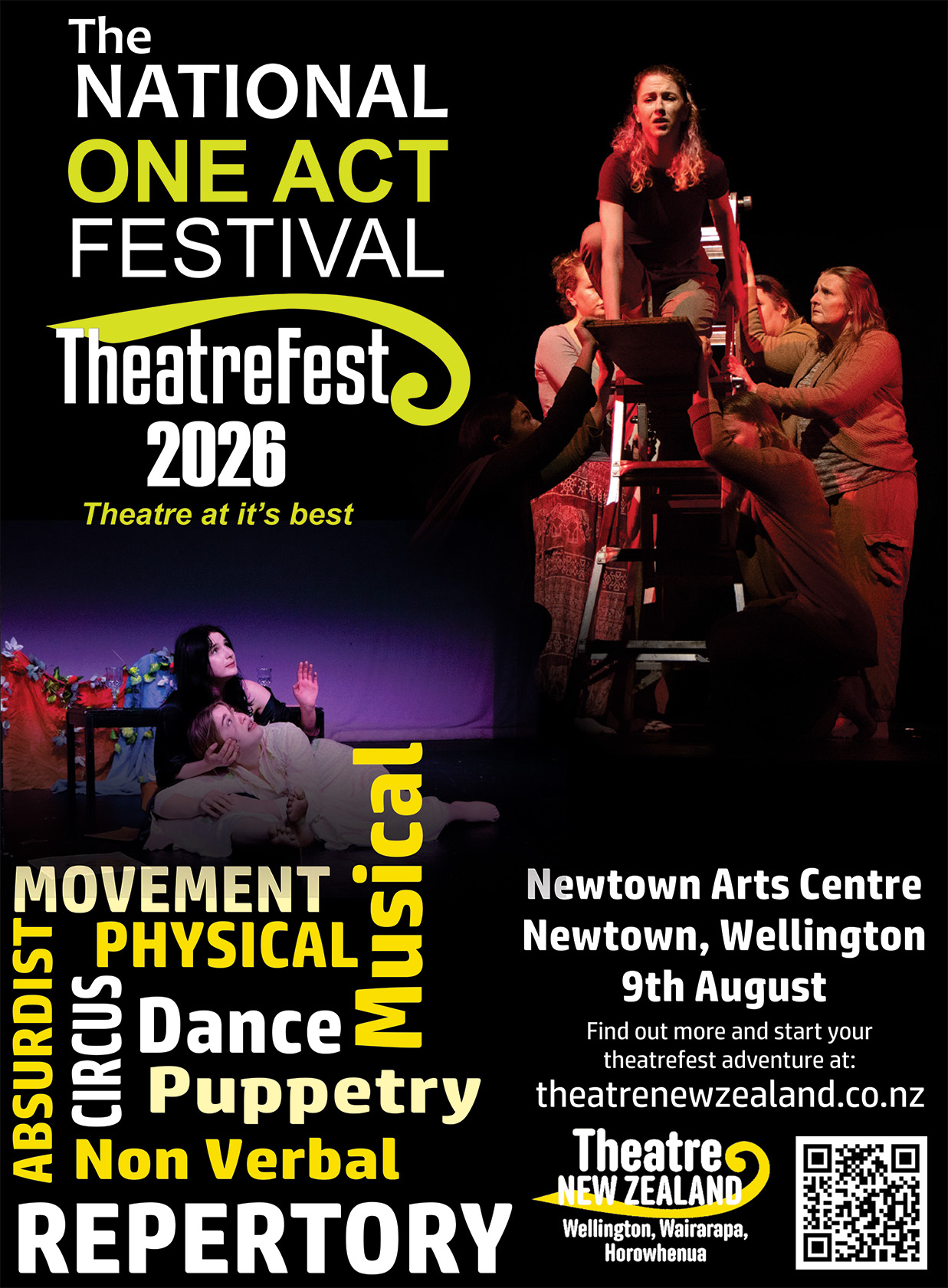
Region 5 |
 |
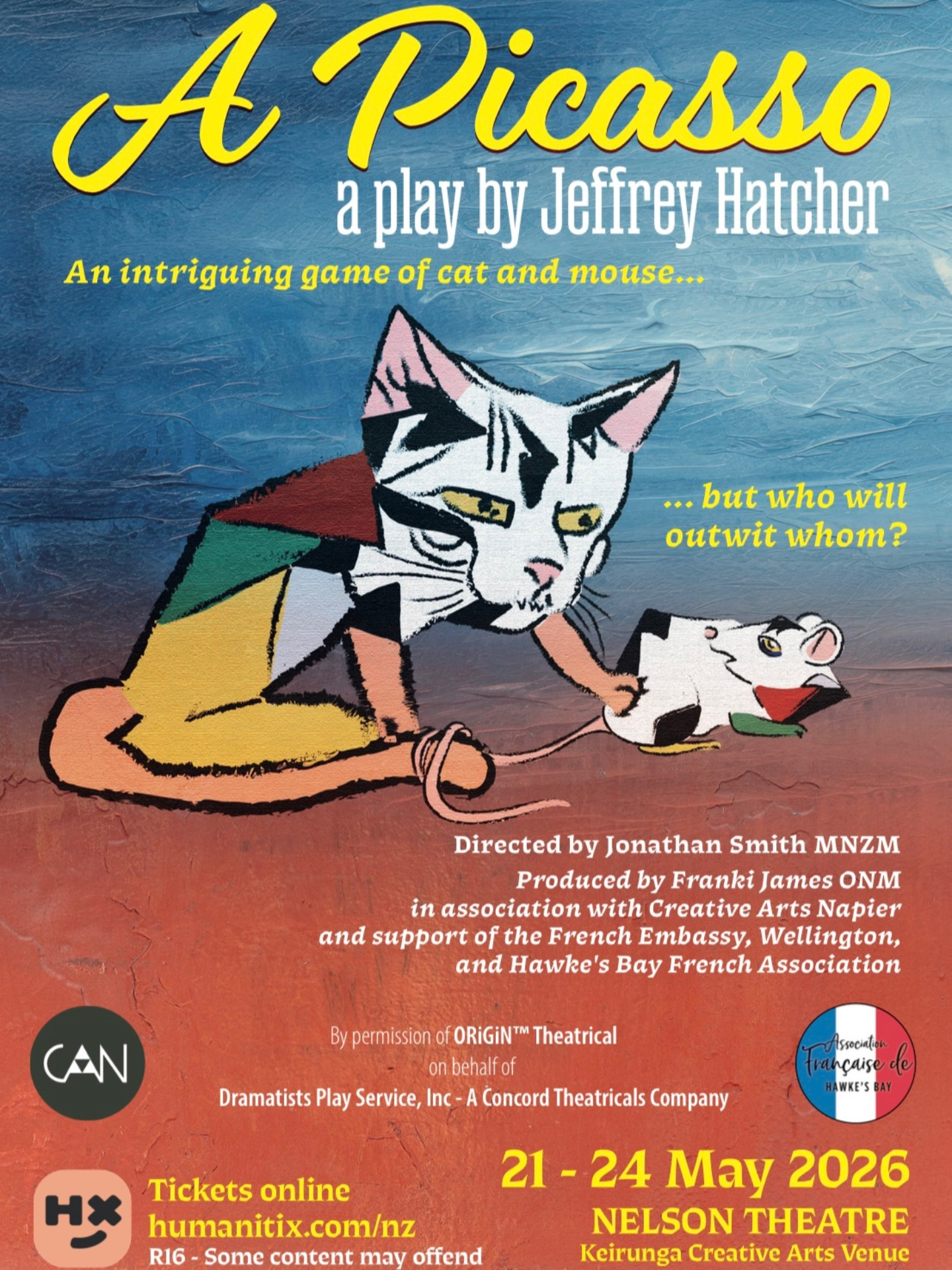
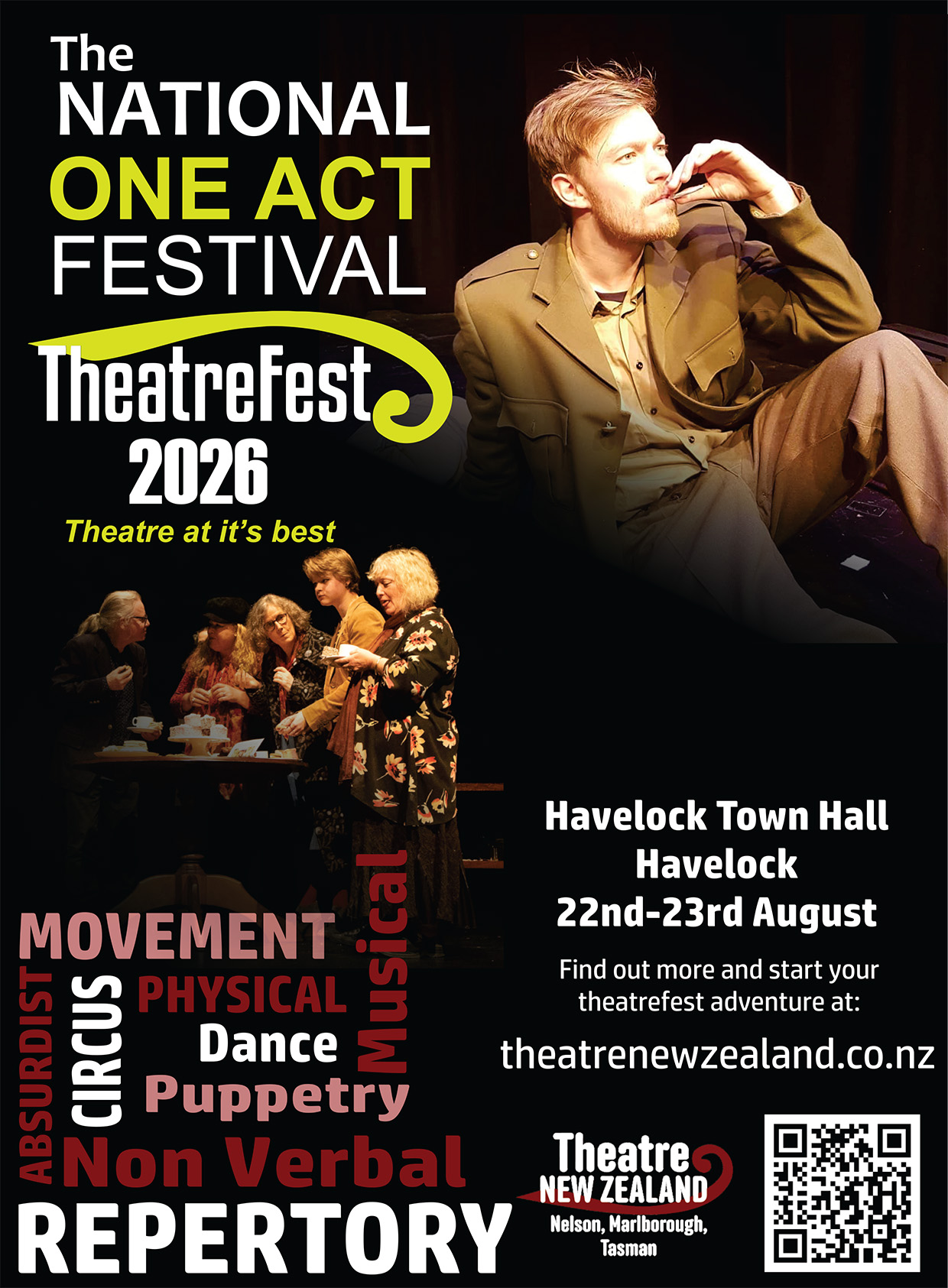
Marlborough’s Stage: Wit, Words, and IntimacyMarlborough Repertory Society’s recent staging of Shakespeare in Love offered audiences a romantic blend of comedy and literary homage. With its backstage intrigue and nods to the Bard, the cast performed to a number of sell out shows. Hot on its heels comes something altogether more compact: Little Grimley. This upcoming production shifts gears into intimate comedy with big laughs and the kind of sharp character work that thrives in a close-knit venue like the Boathouse Theatre. It’s a reminder that not every success needs spectacle; sometimes, all it takes is timing, chemistry, and a good script.
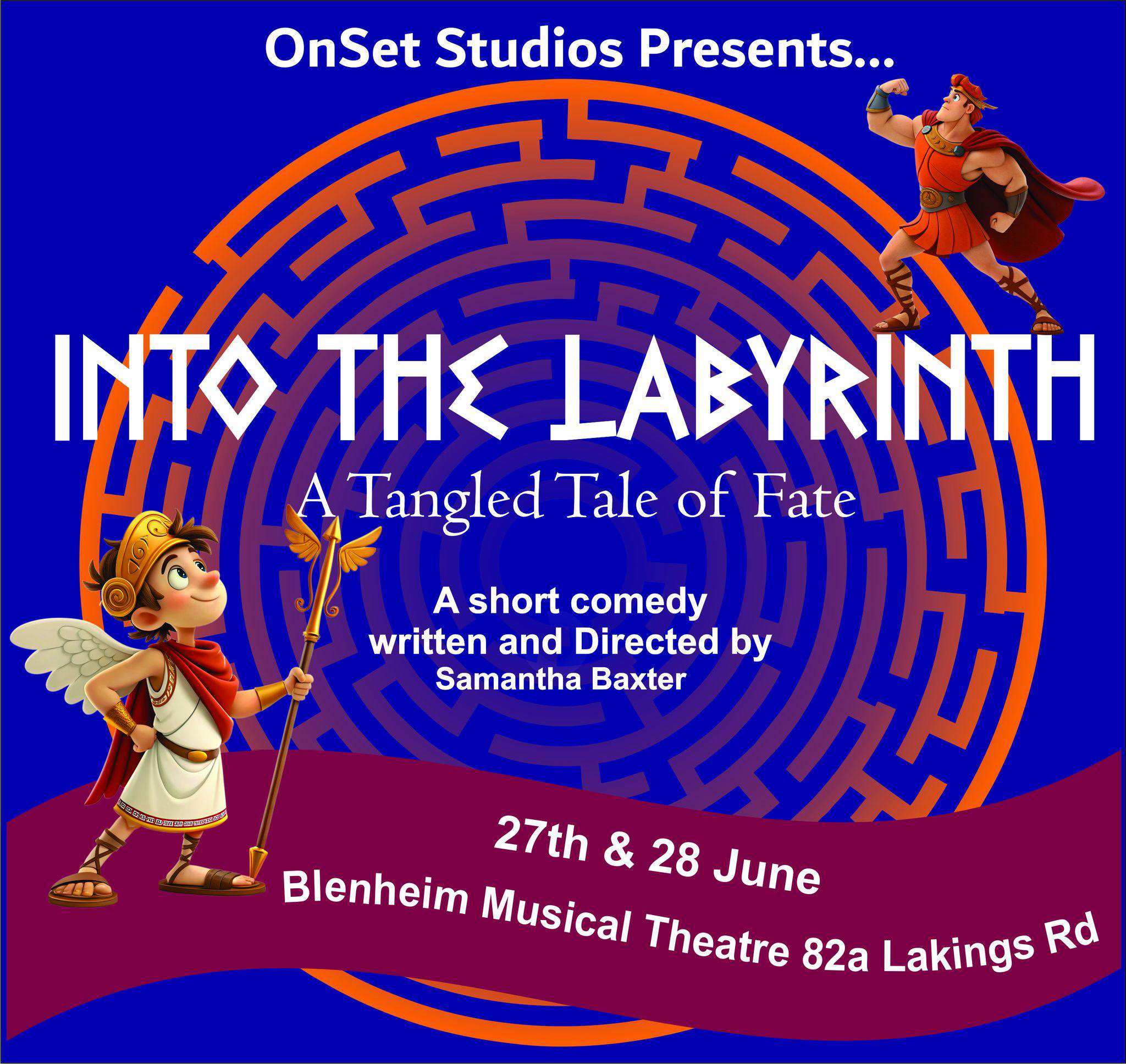
Into the Labyrinth, an upcoming original work from OnSet Studios, signals a growing appetite for homegrown storytelling. Written and directed by Samantha Baxter, the play features 12 Greek myths that have been tangled into one big story. Fun for the whole family and lovers of Greek Mythology. This cushion theatre comedy opens on June 27th at the Blenheim Musical Theatre, Lakings Rd theatre.
Samantha Baxter |

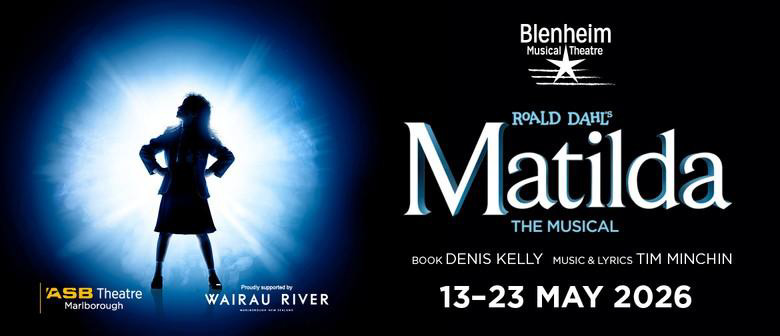
 Alongside this, a different kind of energy is building.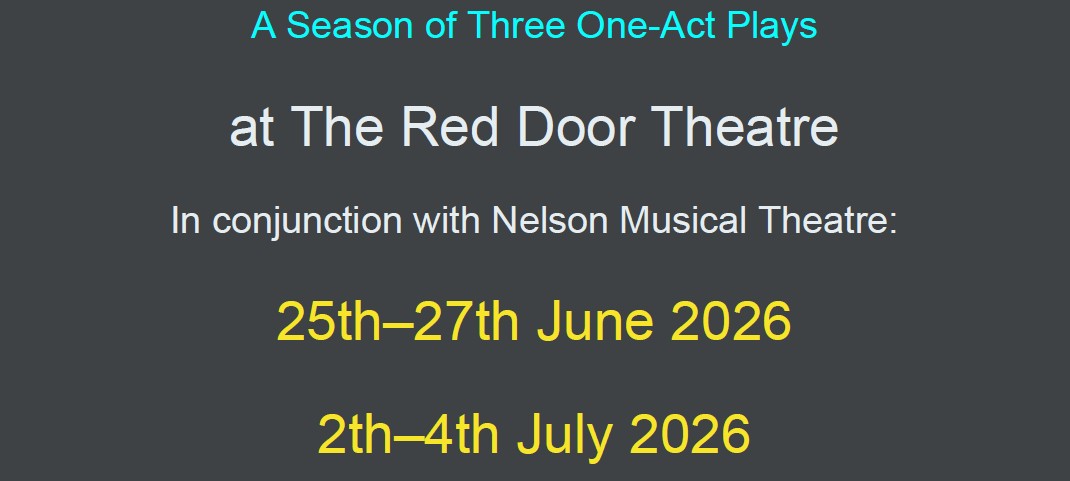

Region 6 |
 |
Maz Ollett |

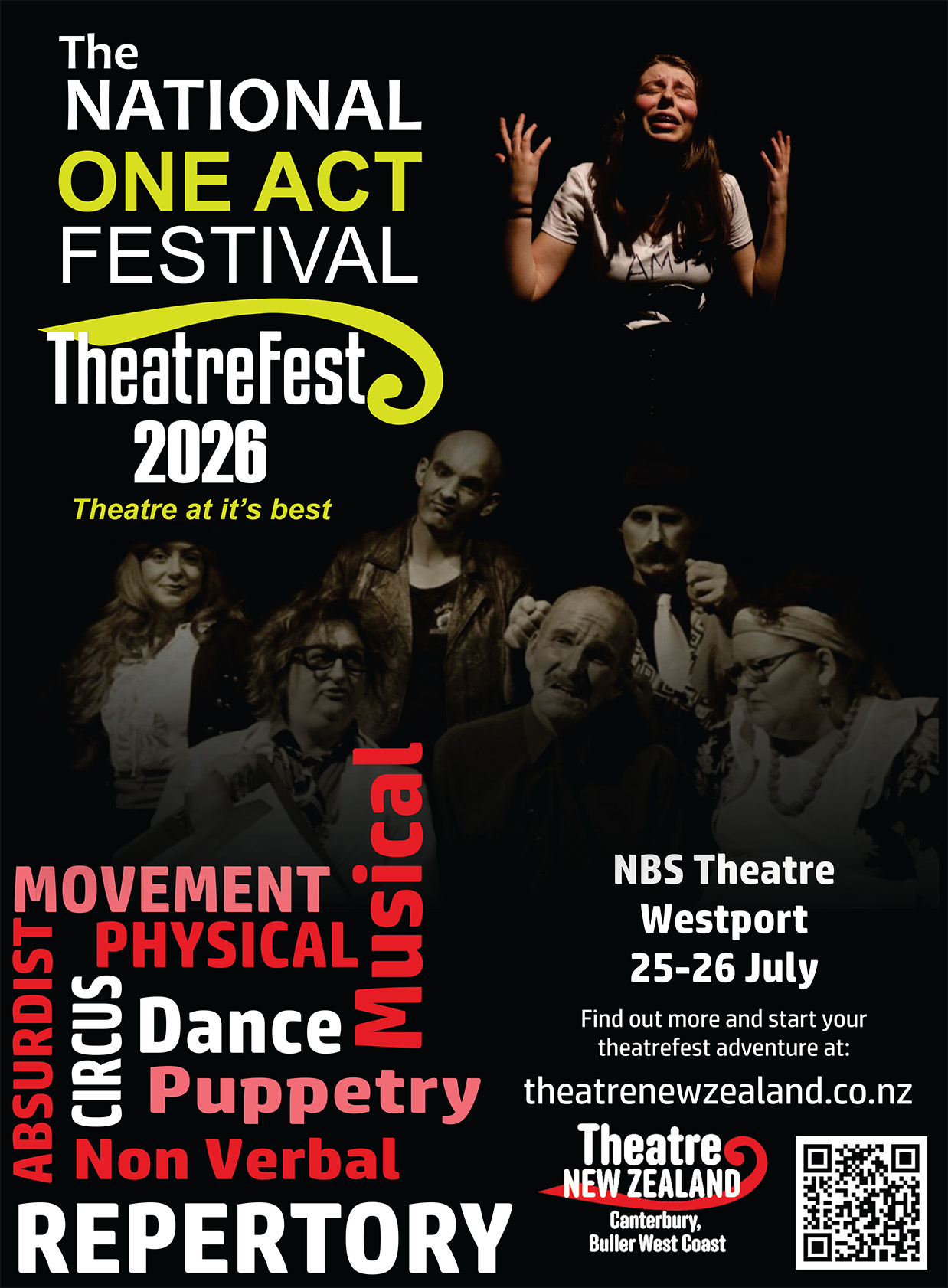
Region 7 |
 |
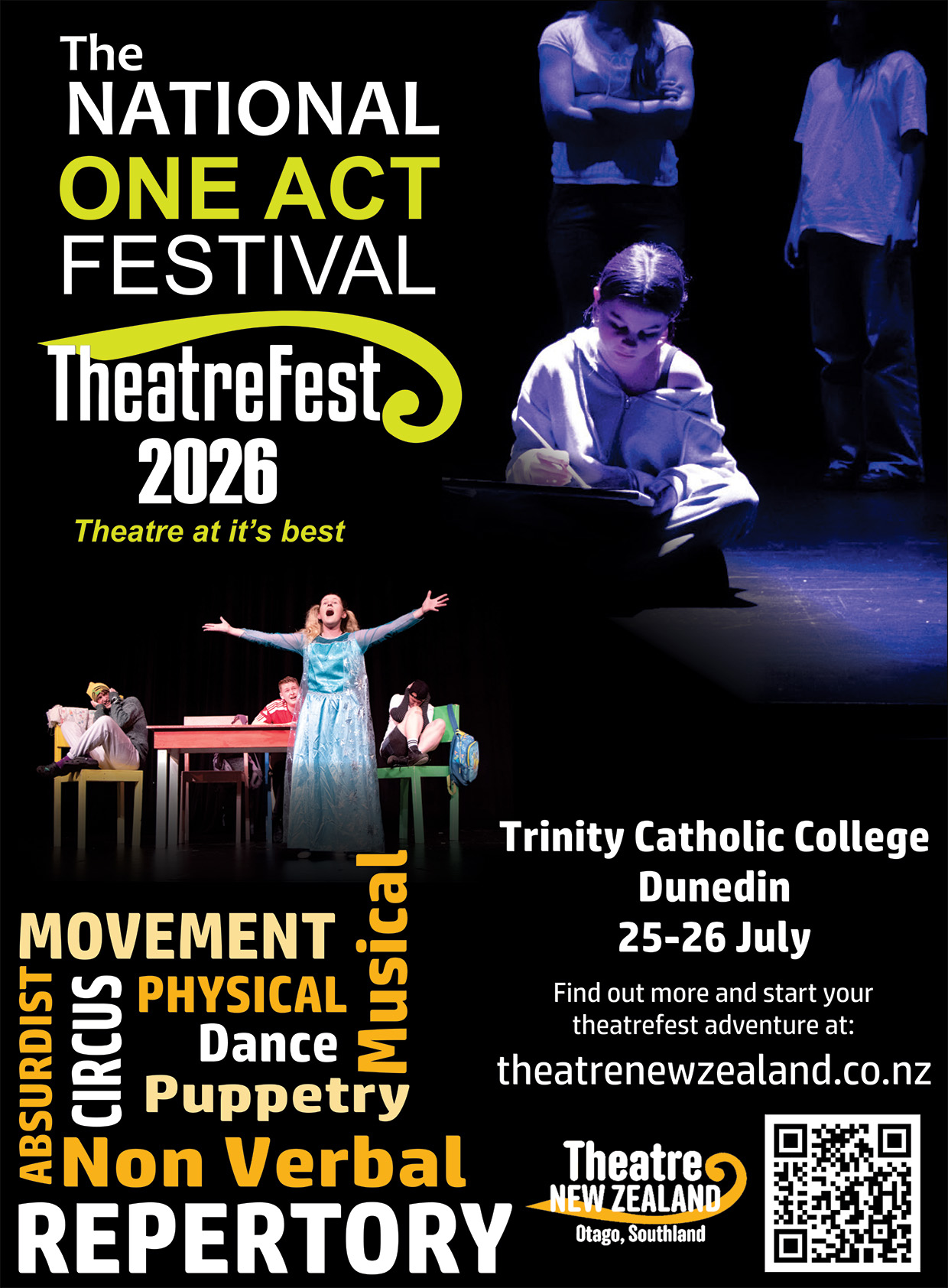 Matt Brennan
Region 6 Representative https://www.facebook.com/TNZRegion07/ |
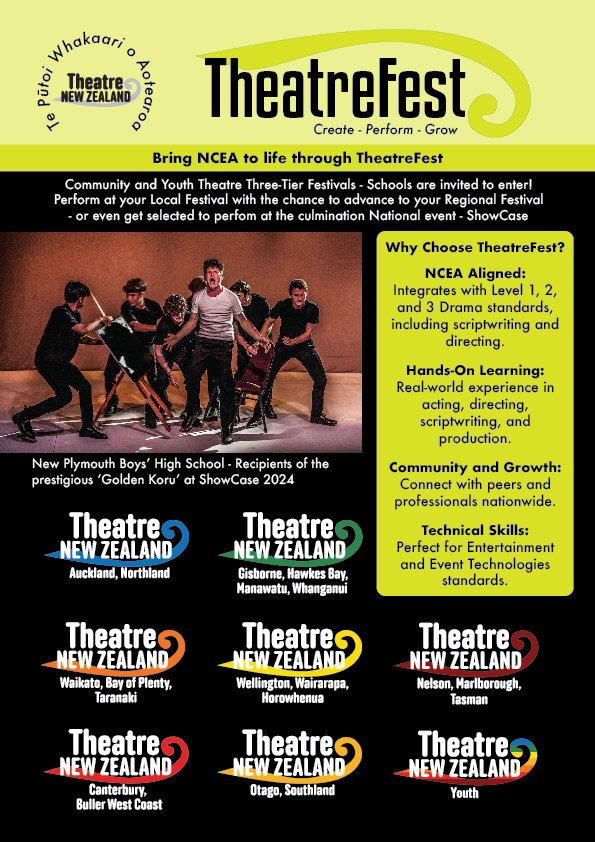
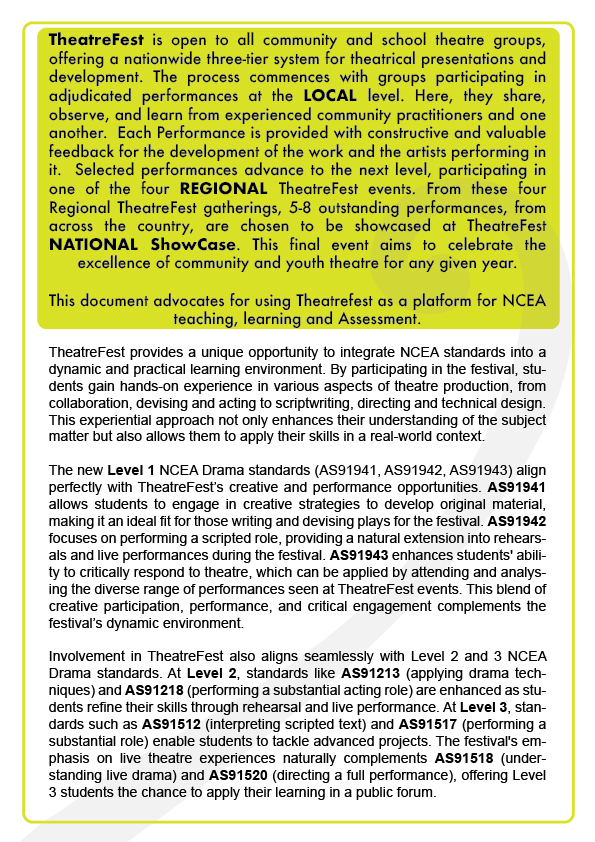
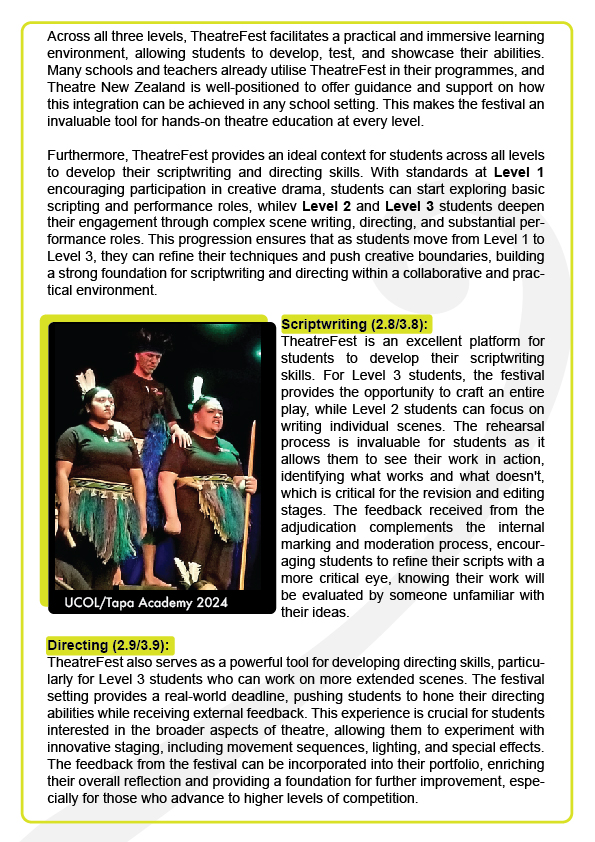
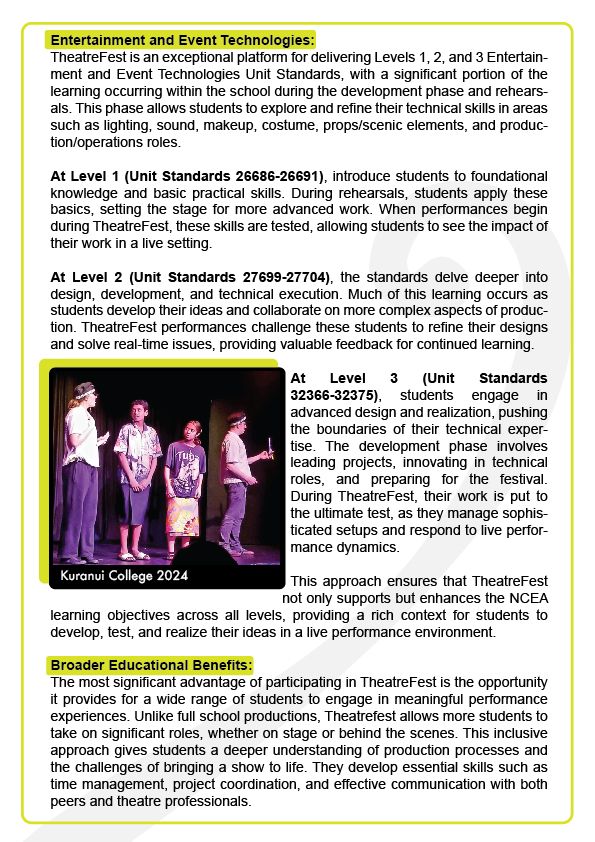
TheatreFest Youth NCEAClick on any image to view |
 |
 |
 |
 |
 |
 |
 |
 |
RECOMMENDED SCRIPTS |
 |
|
Tickling the Funny Bone
Death & Taxe$ by April Phillips (4f, 4m) Room To Move by Ken Duncum (4f, 4m) Breaking the Heart
My Heart is Bathed in Blood by Michelanne Forster (5f, 1m) One Perfect Moment by Ellie Smith (2f)
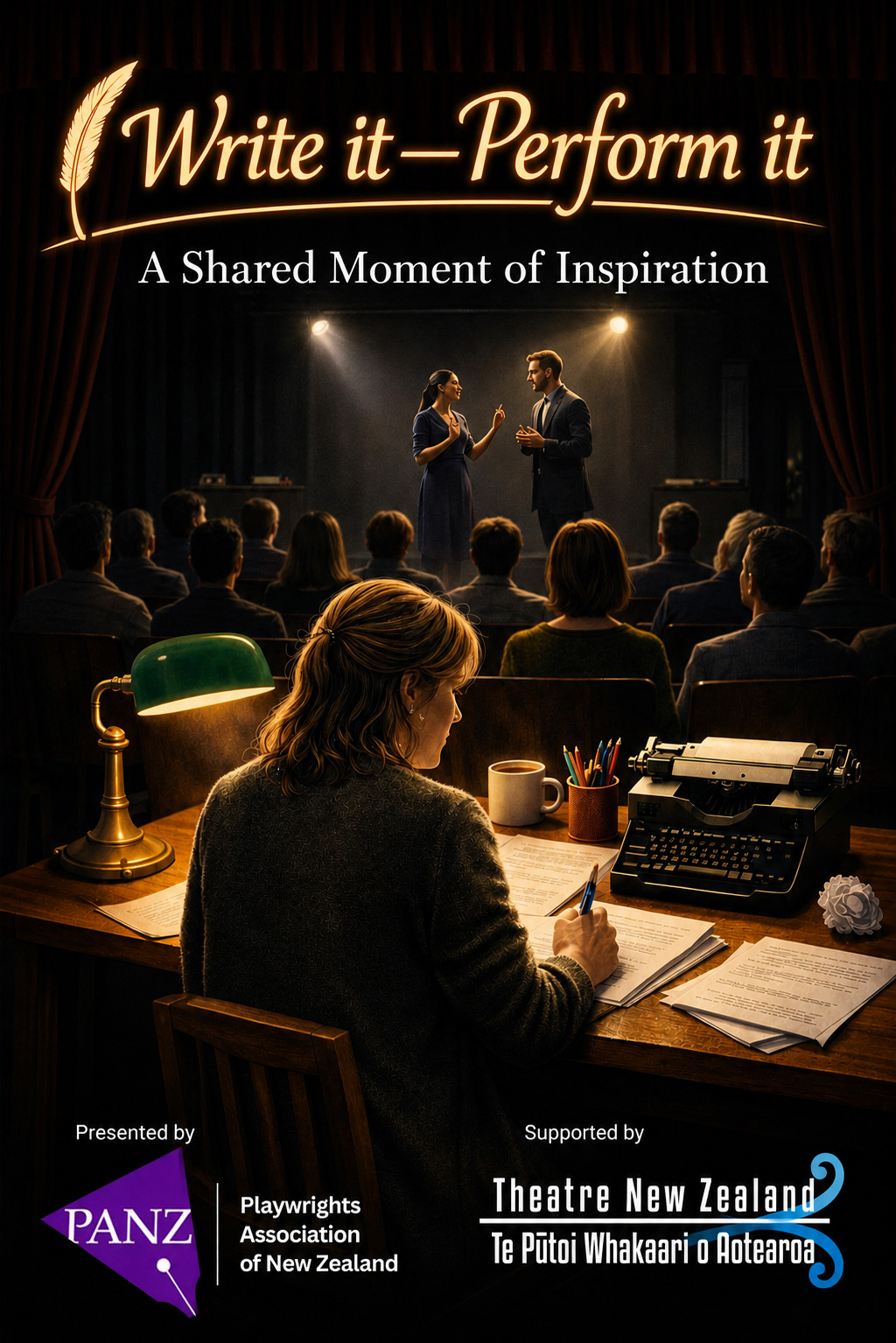
With a subscription to Playmarket, most manuscripts of plays are available for free download from our website. A subscription costs only $45 annually for full access to download unlimited different scripts: Subscribe here. Published scripts must be purchased in hardcopy from our bookshop. To request any plays and/or musicals, contact Jason Te Kare Script Advisor: |
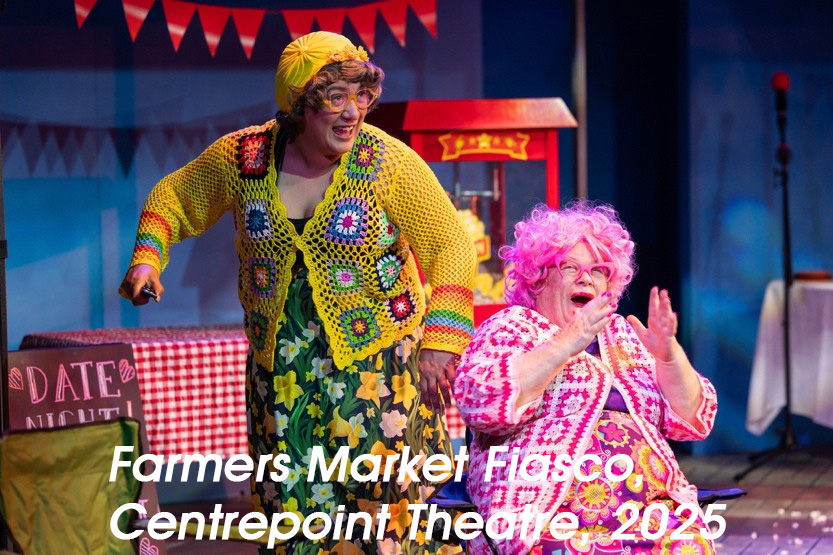 Farmers Market Fiasco by Alison Quigan (3-7f, 3-7m)
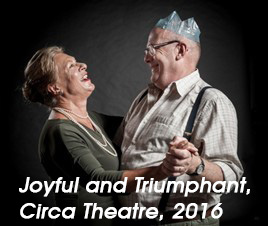 Joyful and Triumphant by Robert Lord (5f, 2m)
|
|
 |
Pōneke Performing Arts Listingsby Rose Jang https://rosejang.substack.com/ Pōneke Performing Arts Listings is a free e-newsletter sent every Monday by theatre enthusiast Rose Jang. The newsletter lists every (long-form) performing arts show in Pōneke Wellington over the coming four weeks, and is the perfect way to keep up with show announcements and performing arts news, and always know what's on where, when. Rose has been collating the only comprehensive list of performances in Wellington since 2022. You can sign up for free here: |
 |
Theatre New Zealand is now on Instagram
|
Associates |
|
|
 Entertainment Technology New Zealand Entertainment Technology New Zealand |
 Wharaaki Aotearoa Drama New Zealand Wharaaki Aotearoa Drama New Zealand |
 Playwrights Association of New Zealand Playwrights Association of New Zealand |
Theatre Adjudicators New Zealand |
|
|
|
|
|
|
|
|
|
|
The Drama Development Trust |
|








Our Supporters |
 |
 |
Time to renew your membership |
 |
Membership forms are now online!By joining Theatre New New Zealand you are supporting the growth of Community Theatre. TNZ is an umbrella organisation so you will have access to a wide range of theatre expertise from advice on funding avenues and copyright to advice on technical issues associated with theatre. A nation-wide TheatreFest is held annually, giving you the opportunity to receive informed adjudications that will help directors and actors alike. Quarterly, you will receive Backchat a newsletter that will keep you up to date as to what members are doing around the country. Membership period runs from 1 April to 31 March each year. Membership fees are due on 1 April each year. |
| Hāpai/Backchat, May June July 2026, Volume 49 Issue 2
Copyright © Theatre New Zealand 2026 Compiled by Mark Perry Deadline for Winter/Spring edition of Hāpai/Backchat Communications to
|